Create Social Media Captions with an AI Content Generator
Lien Anh Vu
July 7, 2026
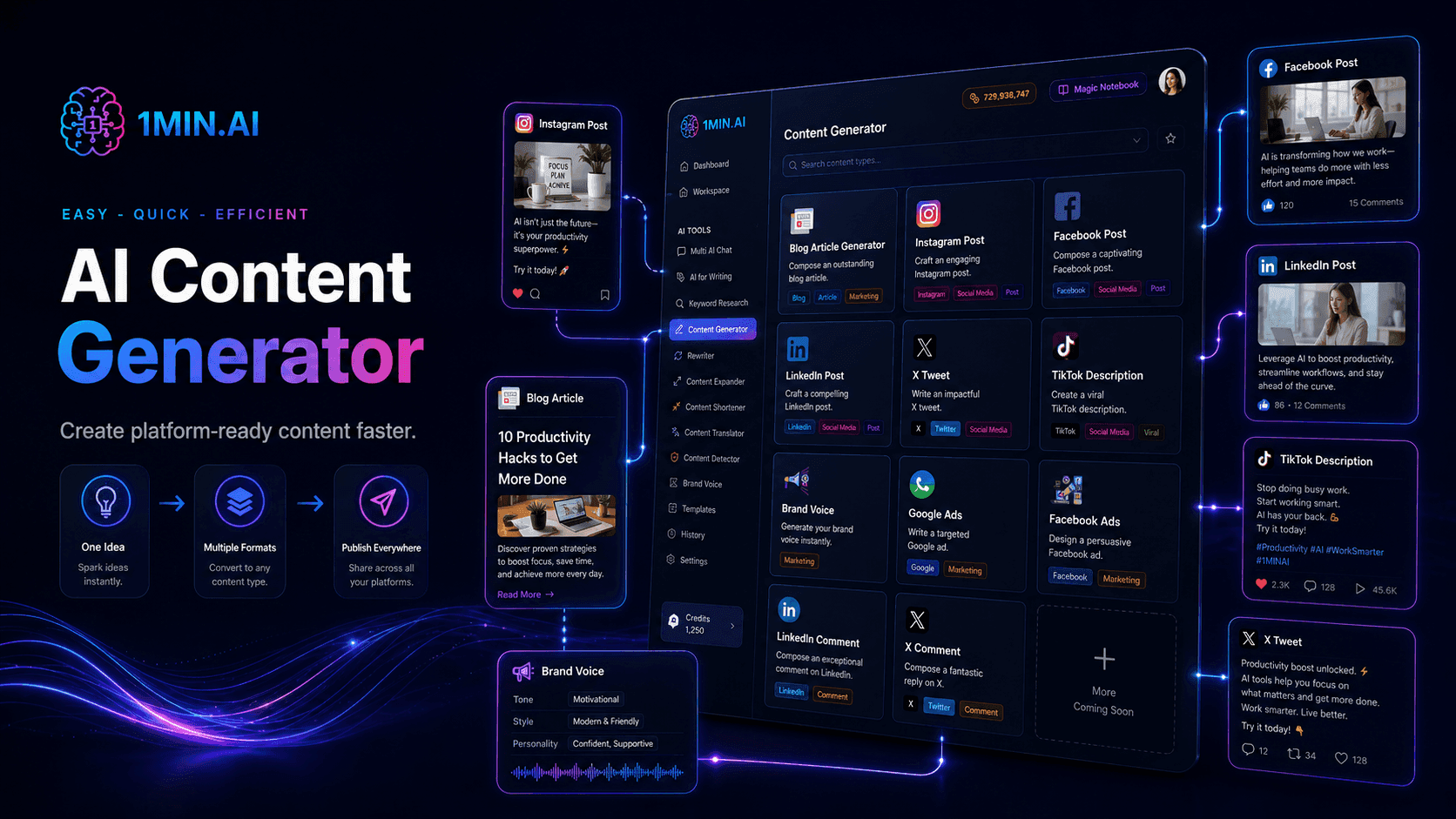
Create platform-ready captions with a social media content generator. Generate stronger hooks, consistent brand voice, relevant keywords, and clear CTAs for Instagram, TikTok, LinkedIn, and more.
Creating an effective social media caption takes more than writing a few attractive sentences.
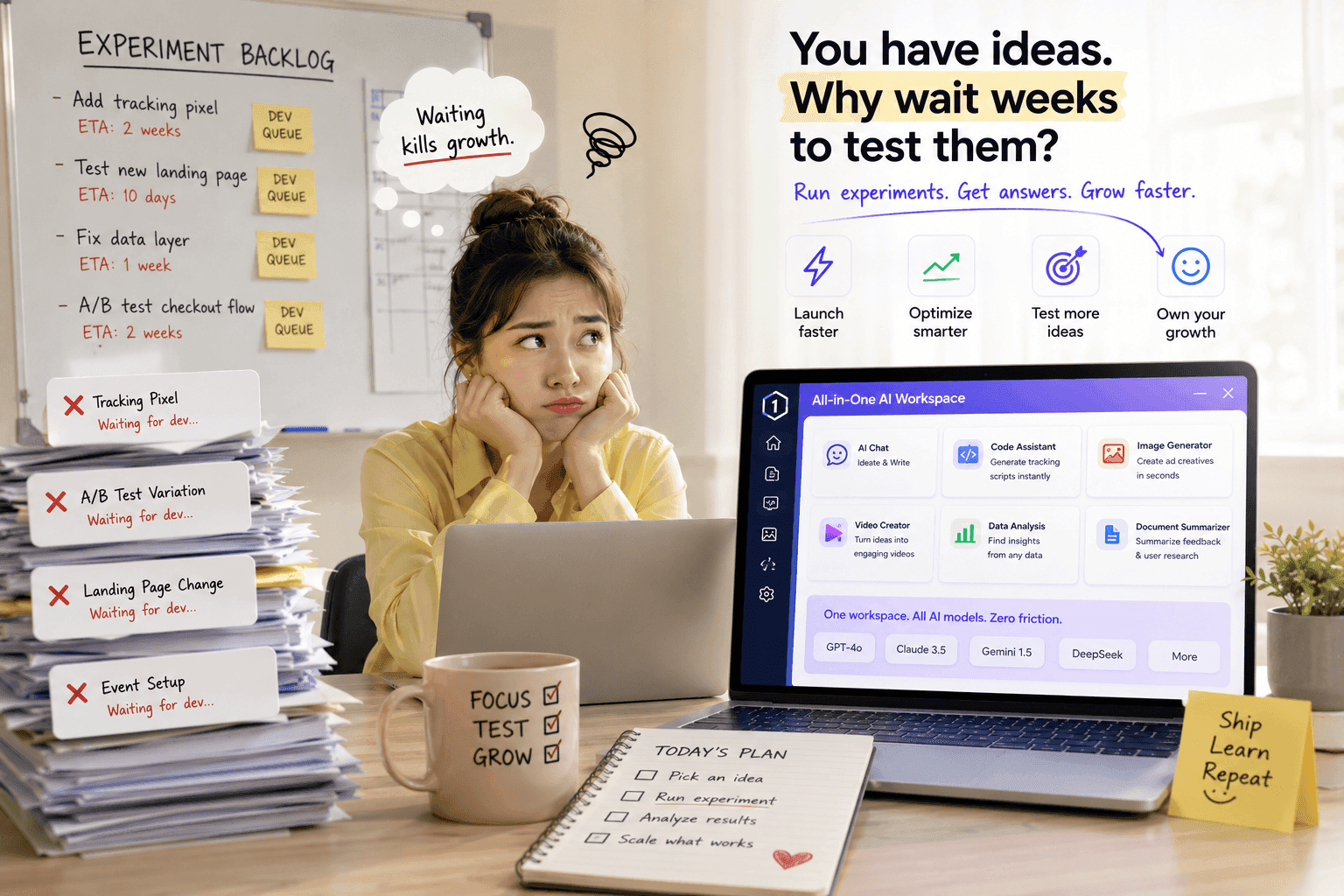
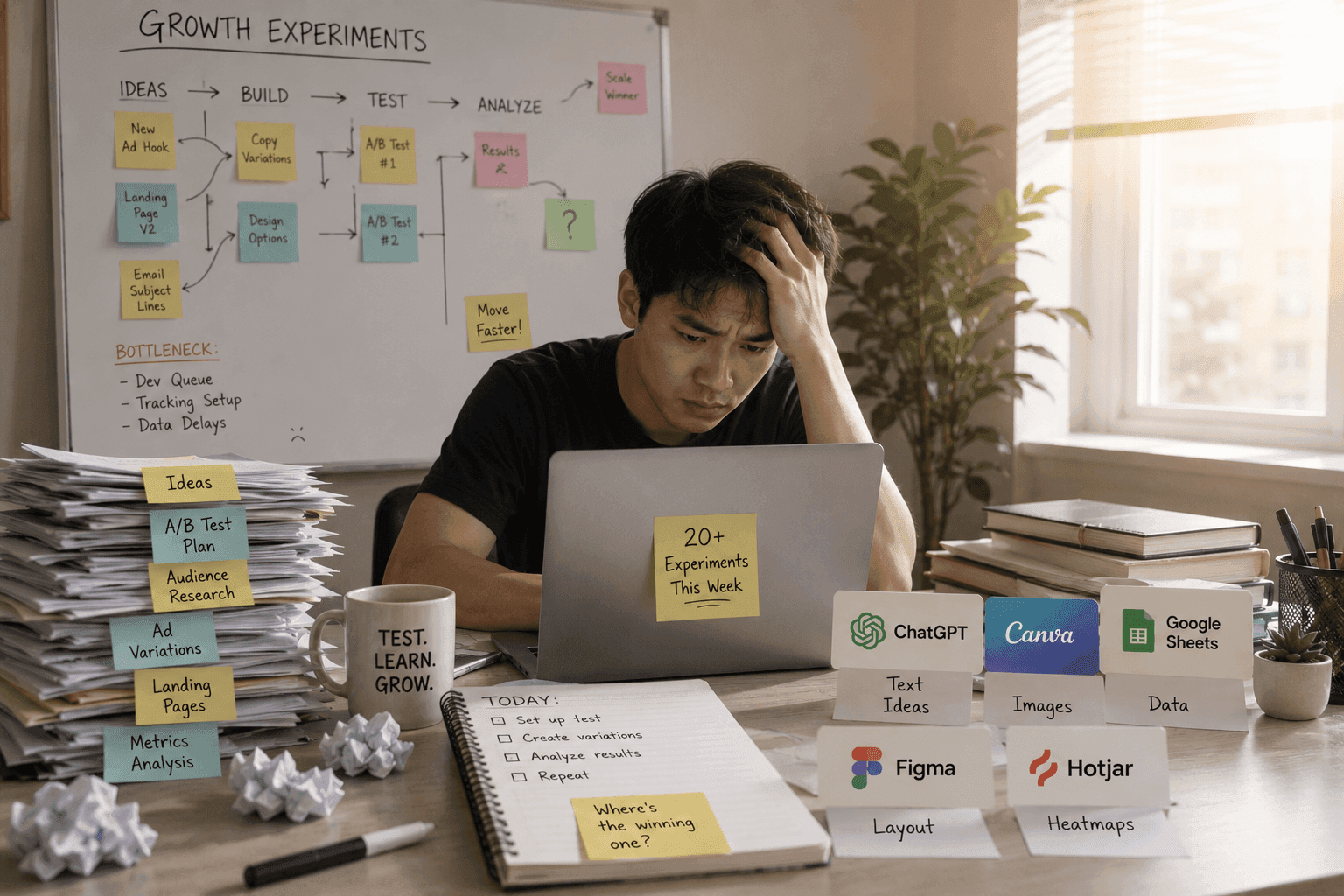
Content creators, influencers, freelance marketers, and copywriters must choose the right hook, tone, keywords, brand voice, and call to action while adapting the message to each platform. This constant demand can create significant pressure. MBO Partners found that 41% of independent creators experience burnout, while a 2025 Epidemic Sound study reported that 91% of professional creators already use AI in their content workflows.
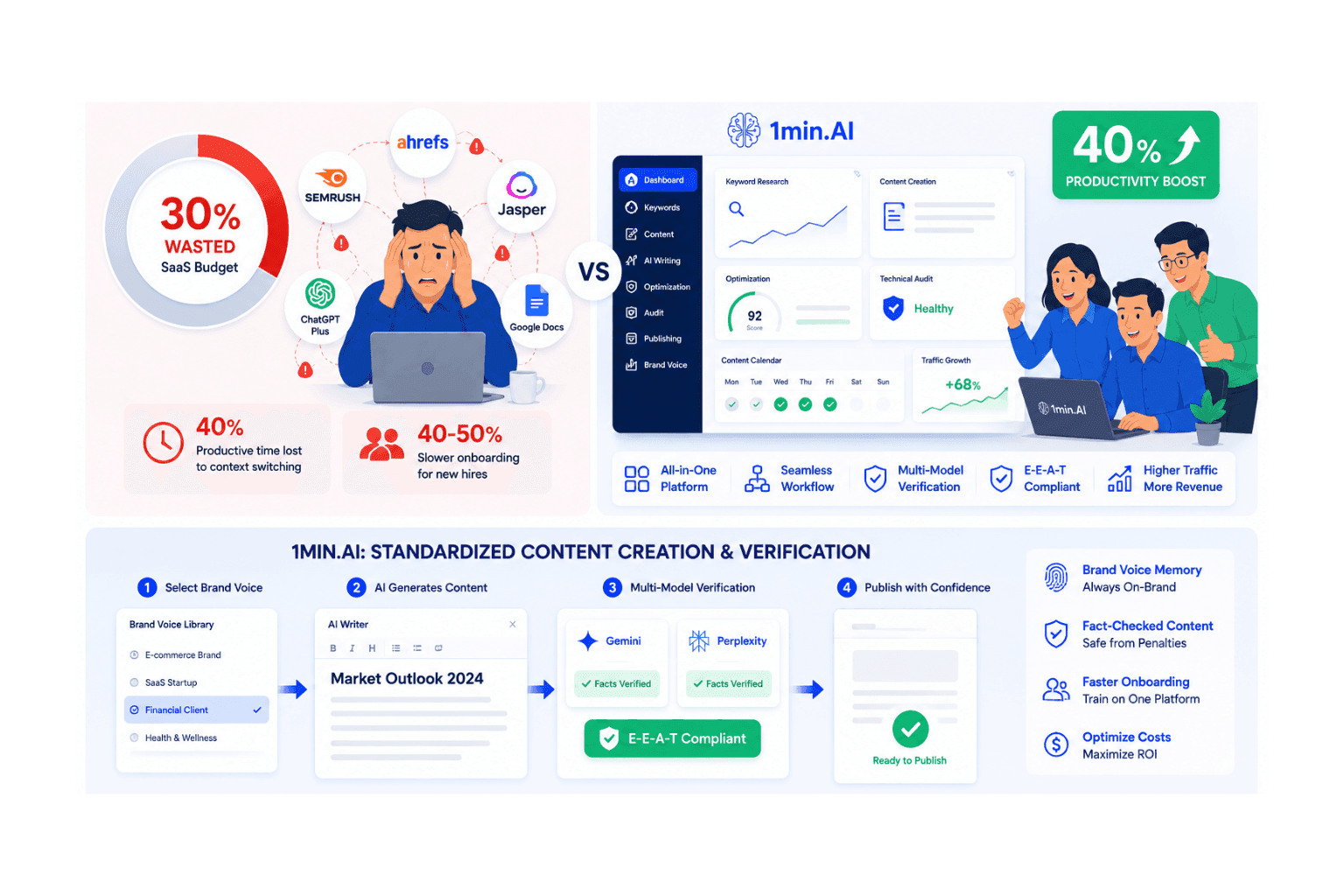
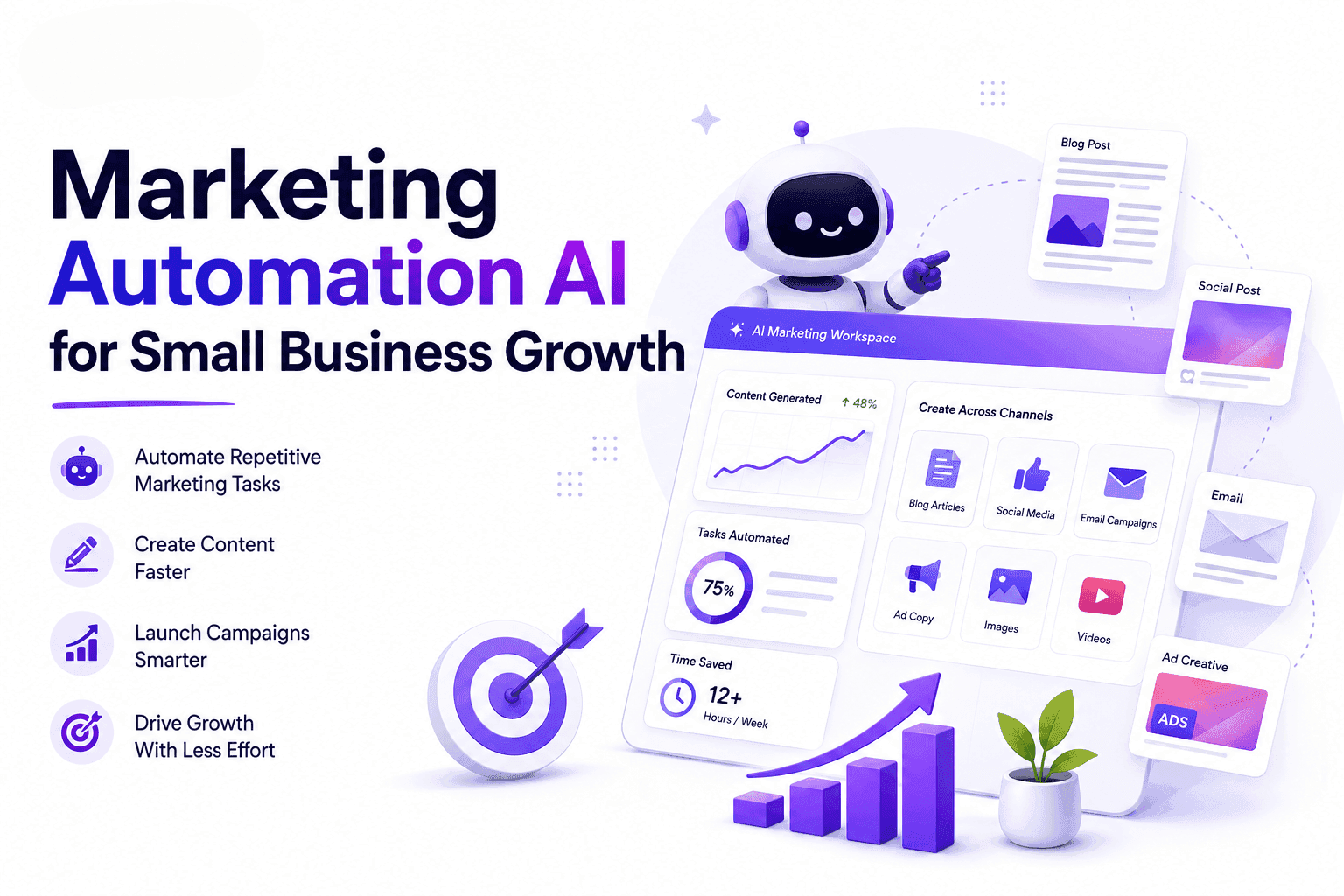
A social media content generator can reduce this workload by turning one idea into multiple platform-ready captions. It helps creators explore different hooks and tones, maintain a consistent brand voice, include relevant keywords, and create clearer calls to action. The best results, however, still come from combining AI speed with human experience, creativity, and audience understanding.
Why Creating Effective Social Media Captions Is So Difficult
Choosing the Right Hook, Tone, and CTA
A strong caption must capture attention, communicate value, and guide the audience toward a clear action. Even a grammatically correct caption can underperform if the opening fails to create interest or the call to action does not match the audience’s needs.
Creators must decide whether the caption should be professional, humorous, promotional, educational, or story-driven. They also need to choose which customer problem to highlight, which benefit to emphasize, and how directly they should ask the reader to respond.
These decisions become harder when creators must publish content consistently. MBO Partners found that 41% of independent creators experience burnout, reflecting the broader creative and operational pressure of producing content regularly.
The challenge is therefore not simply a lack of writing ability. Each caption requires several strategic decisions, often under tight deadlines.
One Caption Does Not Fit Every Platform
A caption that works on Instagram may not perform equally well on TikTok or LinkedIn.
Instagram often supports visual storytelling, emotional language, and community-focused calls to action. TikTok usually requires a shorter, more conversational caption that connects directly to the video. LinkedIn content often needs a professional insight, business context, or educational takeaway.
Reusing the same caption across every platform may save time, but it can make the message feel unnatural or irrelevant. Creators need to preserve the central idea while adjusting the tone, structure, length, and call to action for each channel.
Generic Content Weakens Brand Voice and Conversion Potential
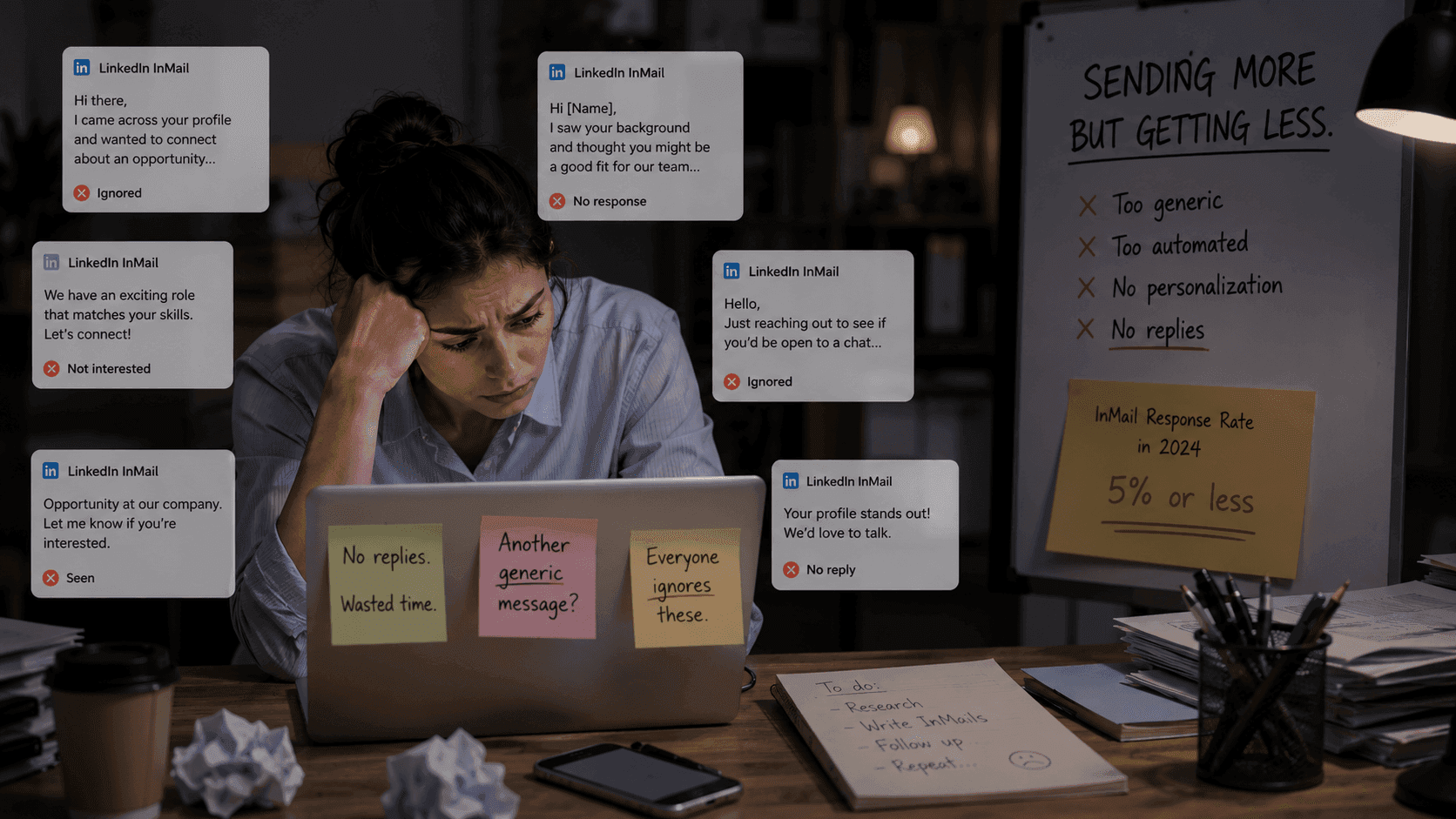
Without a clear brand voice, captions can quickly become generic. They may rely on predictable hooks, vague benefits, forced keywords, or repetitive calls to action.
A strong caption connects four elements: the audience’s problem, the creator’s or brand’s voice, the value of the content or product, and the next action the reader should take.
For example, a generic caption such as “Try our AI tool today” gives the audience little reason to care. A stronger version explains both the value and the outcome:
Turn one idea into platform-ready captions with stronger hooks, a consistent brand voice, and clearer calls to action.
This approach makes the message more relevant, specific, and persuasive.
How a Social Media Content Generator Solves These Problems
Transform One Idea into Platform-Specific Captions
A social media content generator helps creators turn one core idea into multiple versions designed for different platforms.
Users can provide the topic, target audience, customer pain point, key benefit, platform, tone, brand voice, keyword, and campaign objective. The generator can then create a short TikTok caption, a storytelling Instagram caption, a professional LinkedIn post, or a promotional Facebook version.
The purpose is not simply to shorten or rewrite the same paragraph. A useful content generator adapts the message to the communication style and audience expectations of each platform.
For example, the same product idea may be presented as a relatable creative struggle on Instagram, a quick problem-and-solution hook on TikTok, and a productivity insight on LinkedIn.
Generate Captions with Brand Voice, Keywords, Hooks, and CTAs
A structured content generator can also help users control how the caption sounds and what it is designed to achieve.
Creators can define a brand voice that is professional but approachable, friendly and conversational, or confident without sounding exaggerated. They can also provide preferred keywords, product benefits, and words or claims that should be avoided.
The generator can then produce several hook styles, including pain-point hooks, curiosity hooks, questions, benefit-driven openings, and contrasting statements. It can also suggest calls to action based on the objective of the post, such as encouraging comments, increasing saves, driving website visits, promoting a free trial, or generating sign-ups.
This turns a vague content idea into a more structured message with a clear audience, tone, keyword, benefit, and next step.
How the AI Content Generation Workflow Improves Content Creation
Faster Drafting and More Creative Options
AI has become a common part of the creator workflow. A 2025 Epidemic Sound study of 3,000 professional content creators found that 91% already use AI tools in their content creation process.
A content generator can reduce the time spent staring at a blank page, brainstorming hooks, rewriting the same idea, adjusting the tone, and creating separate captions for different platforms.
A practical workflow begins by entering the topic and target audience. The creator then defines the customer problem, main benefit, platform, brand voice, tone, and relevant keywords. The AI generates several hooks and caption options, allowing the user to compare different directions before selecting the strongest version.
The final step is to edit and personalize the caption before publishing. This allows creators to spend less time producing the first draft and more time refining the message, improving relevance, and protecting the brand voice.
Better Brand Consistency Without Removing Human Creativity
AI can help maintain consistency when users provide clear instructions about tone, vocabulary, audience, and product positioning.
However, generated content should not be treated as automatically ready for publication. Creators still need to verify claims, remove generic wording, add personal experience, check platform relevance, and make sure the caption sounds natural.
The strongest workflow combines AI and human judgment.
AI contributes speed, structure, ideas, and variations. The creator contributes authenticity, context, experience, and final quality. This balance allows users to create content faster without losing the personality and perspective that make the message valuable.
Reference
Epidemic Sound. (2025, June 17). The future of the creator economy report 2025. https://www.epidemicsound.com/business/future-creator-economy-report-2025/
Hootsuite. (2023, November 14). Hootsuite launches Social Media Trends 2024 report. https://www.hootsuite.com/newsroom/press-releases/hootsuite-unveils-the-trends-that-keep-on-trending-for-social-marketers
HubSpot. (2026, January 20). How to humanize AI content to rank, engage, and get shared. https://blog.hubspot.com/marketing/ai-content-humanization
MBO Partners. (2024). Creator economy trends report 2024. https://www.mbopartners.com/state-of-independence/creator-economy-report/
CTA
Turn One Idea into Platform-Ready Captions: https://app.1min.ai/content-generator