Senior Engineers Buried in PRs? AI Code Review Can Help
Trang Tran
July 6, 2026
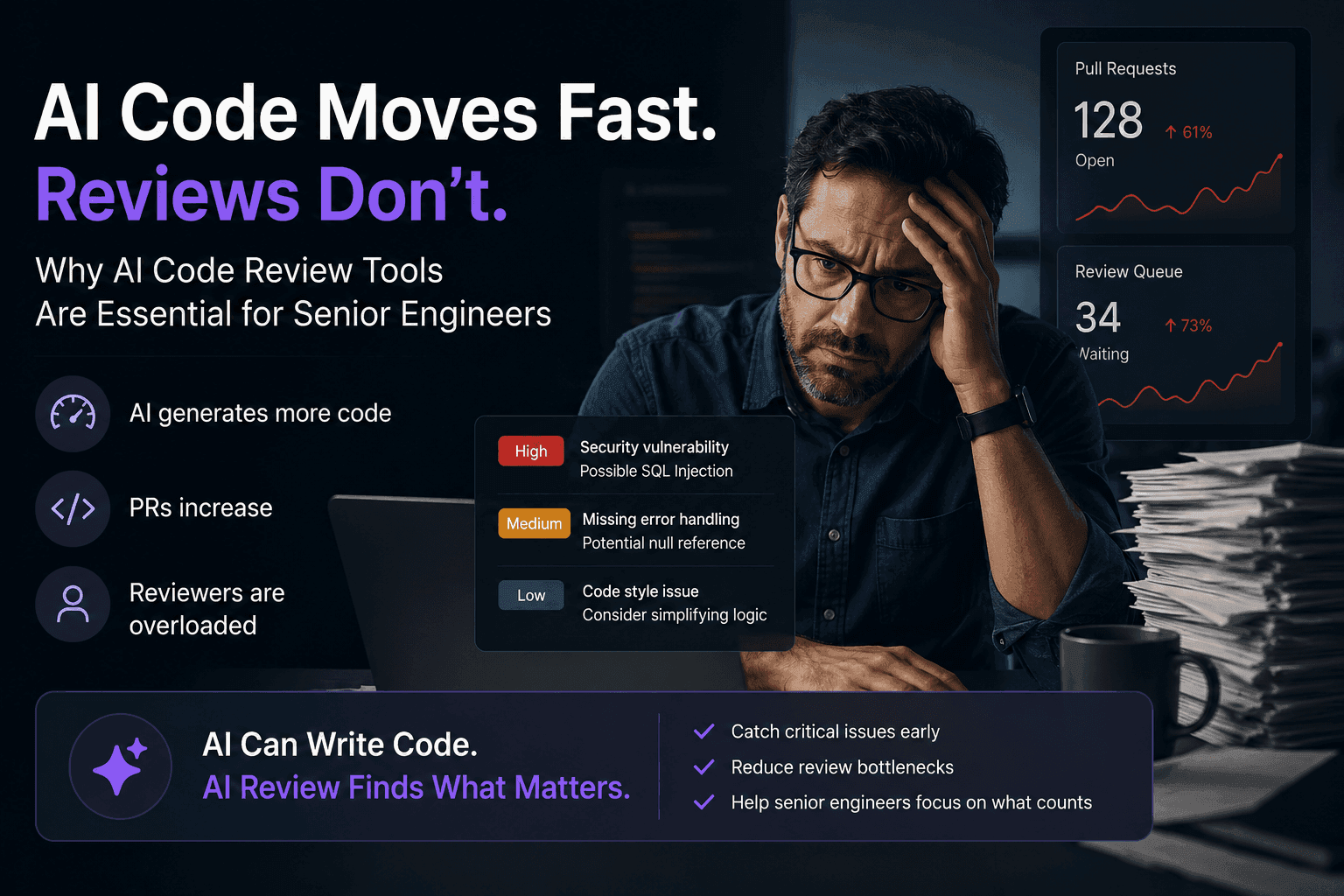
Senior engineers lose hours daily to PR reviews. See how AI code review tools cut that time and let you pick the right model per task.
If you are a Senior or Staff Engineer reviewing 10 to 30 pull requests a week, you already know the real cost is not the code itself, it is the 2 to 3 hours a day that disappear into review queues. AI code review tools promise to fix this, but most force you into a single model and a one-size-fits-all judgment call on every PR. This article breaks down why that tradeoff is costing you more than it saves, and what a model-flexible approach to AI code review actually looks like in practice.
Why Pull Request Reviews Are Quietly Burning Out Your Best Engineers
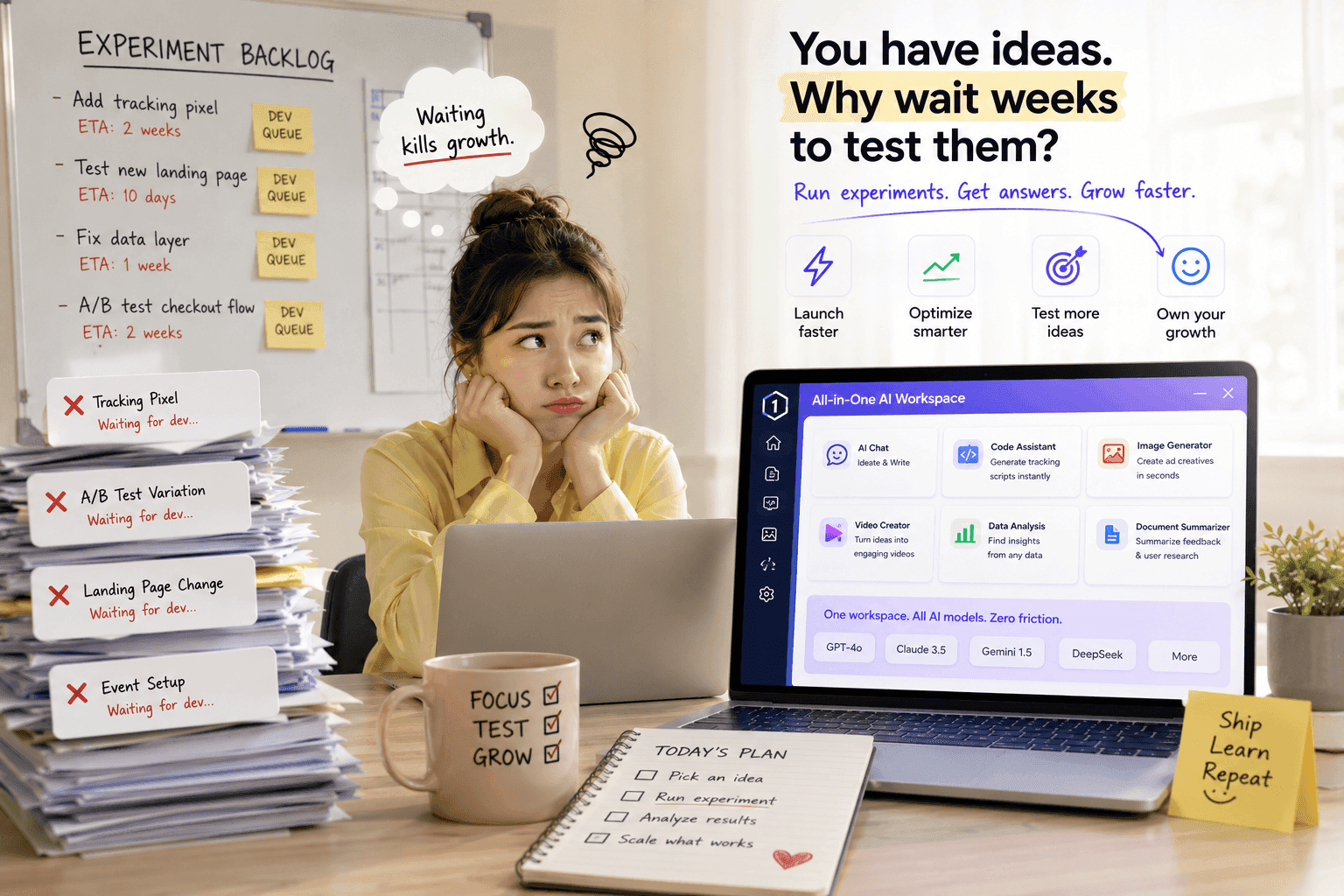
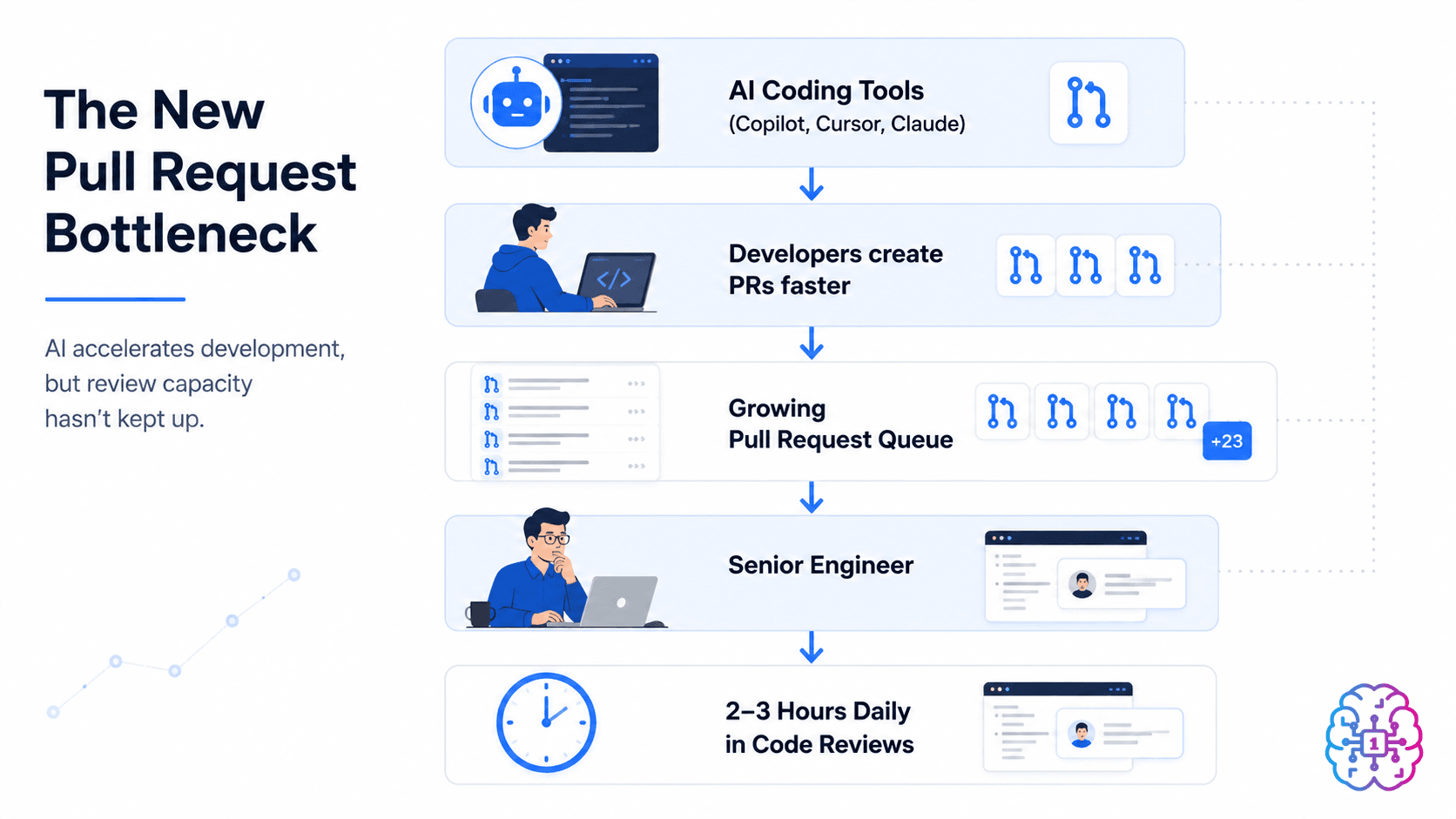
Across SaaS engineering teams in 2026, the math has stopped working. AI pair programmers like Copilot, Cursor, and Claude Code let developers ship far more pull requests than before. The Opsera 2026 AI Coding Impact Benchmark Report found AI-assisted development cuts time-to-PR by 48 to 58 percent on average, yet those same PRs sit 4.6 times longer in the review queue. The bottleneck never disappeared, it just moved from writing code to checking it.
Is AI-Generated Code Actually Safe? The Hidden Cost Behind the Speed
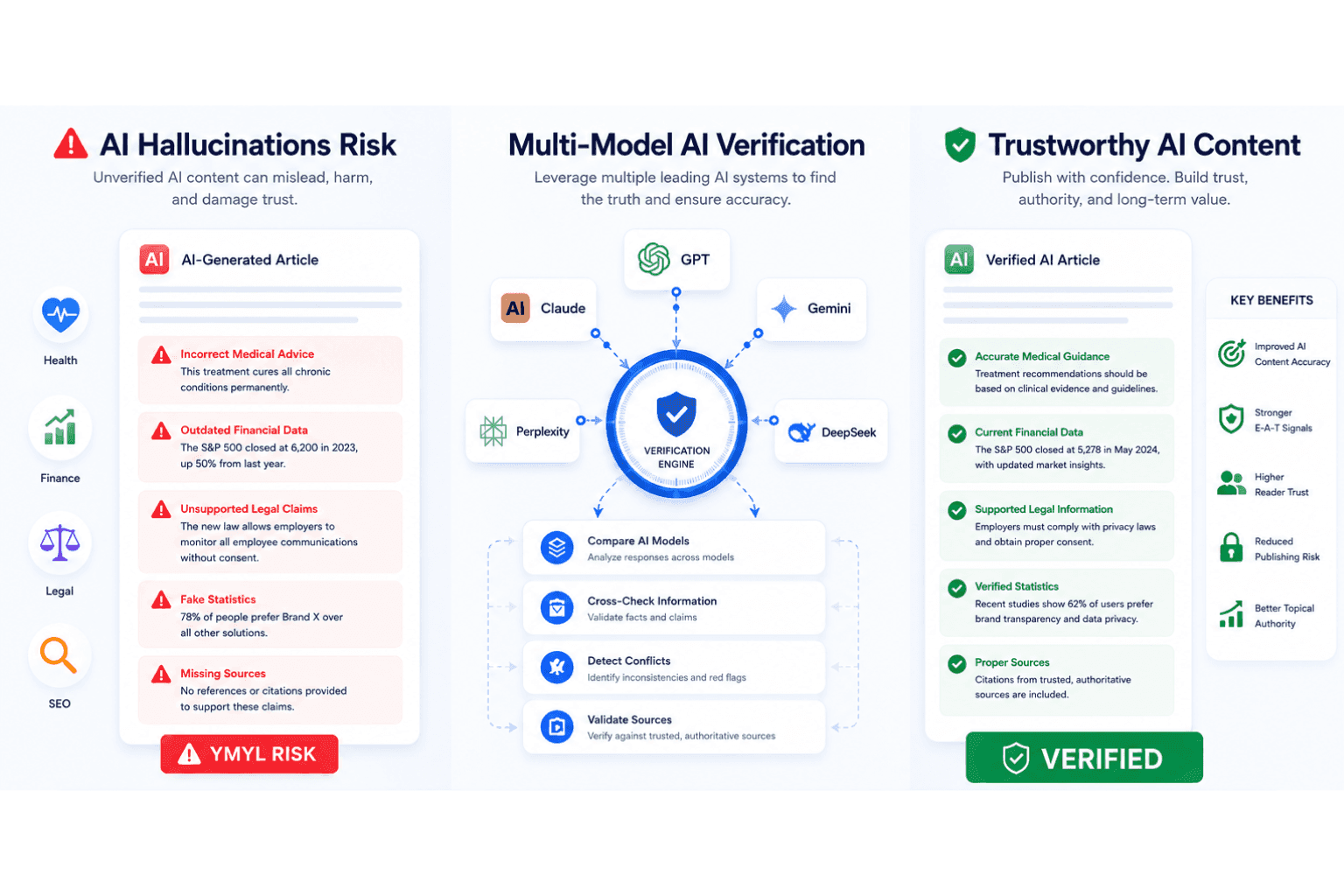
Not necessarily. AI-generated code can accelerate development, but speed does not guarantee correctness, security, or architectural alignment. GitHub's guidance on reviewing AI-generated code emphasizes that human oversight remains essential, particularly for validating business logic, architecture decisions, and security considerations.
The challenge is that AI helps teams create more code, but it does not create more senior reviewers. As pull request volume rises, review responsibility increasingly falls on Senior Engineers, Staff Engineers, and Tech Leads—the people already balancing architecture decisions, mentoring, and delivery commitments.
Why Manual Review Alone No Longer Scales
This is not a discipline problem you fix by asking people to review faster, it is a volume problem: when PR throughput rises by roughly half but reviewer headcount stays flat, the queue grows no matter how skilled your reviewers are. This is exactly the gap that automated code review tools were built to close, not by replacing human judgment, but by giving it room to operate where it actually matters.
How AI Code Review Tools Actually Solve the Bottleneck
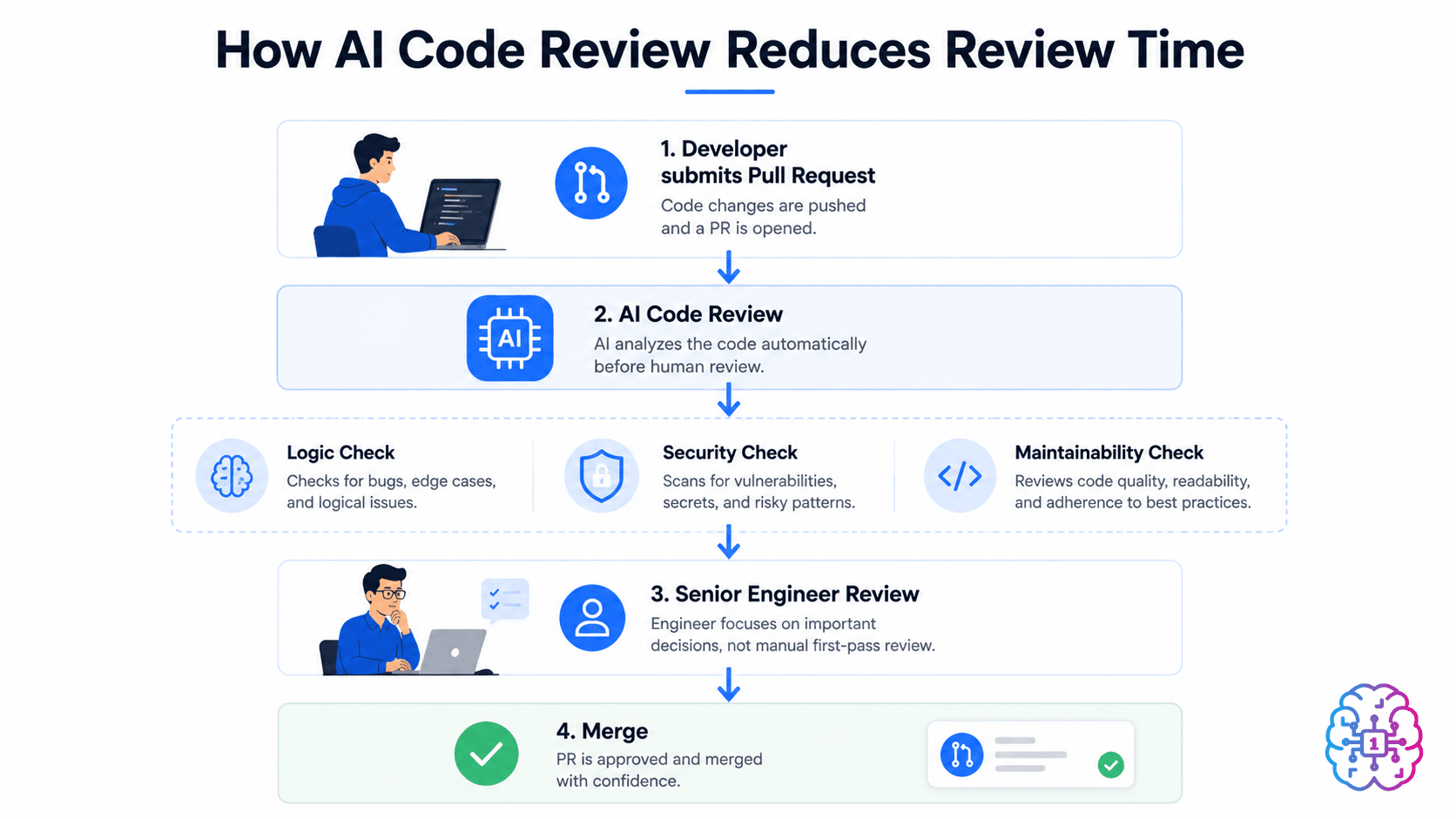
The promise of ai tools for code review is straightforward: let software catch repeatable, pattern-based issues, so senior engineers spend time only on judgment calls that need a human. How well a tool delivers on that promise varies more than most comparison lists make clear.
What a Good AI Pull Request Review Actually Checks
A useful ai pull request review needs to catch three things before a human signs off:
- Logic and correctness: off-by-one errors, unhandled edge cases, and assumptions tests did not cover.
- **Security vulnerabilities: **injection risks and exposed secrets, the kinds of flaws more common in AI-generated code per Opsera's data above.
- Maintainability: deviations from team conventions that work today but get expensive to extend later.
Catching the last two categories usually means giving the model enough surrounding context, not just an isolated snippet, since a change that looks fine on its own can still break something the rest of the code does not show in a narrow view.
So What's the Best AI for Code Review? It Depends on the Task
Most AI code review platforms lock teams into a single model. The problem is that different review tasks require different strengths.
For example:
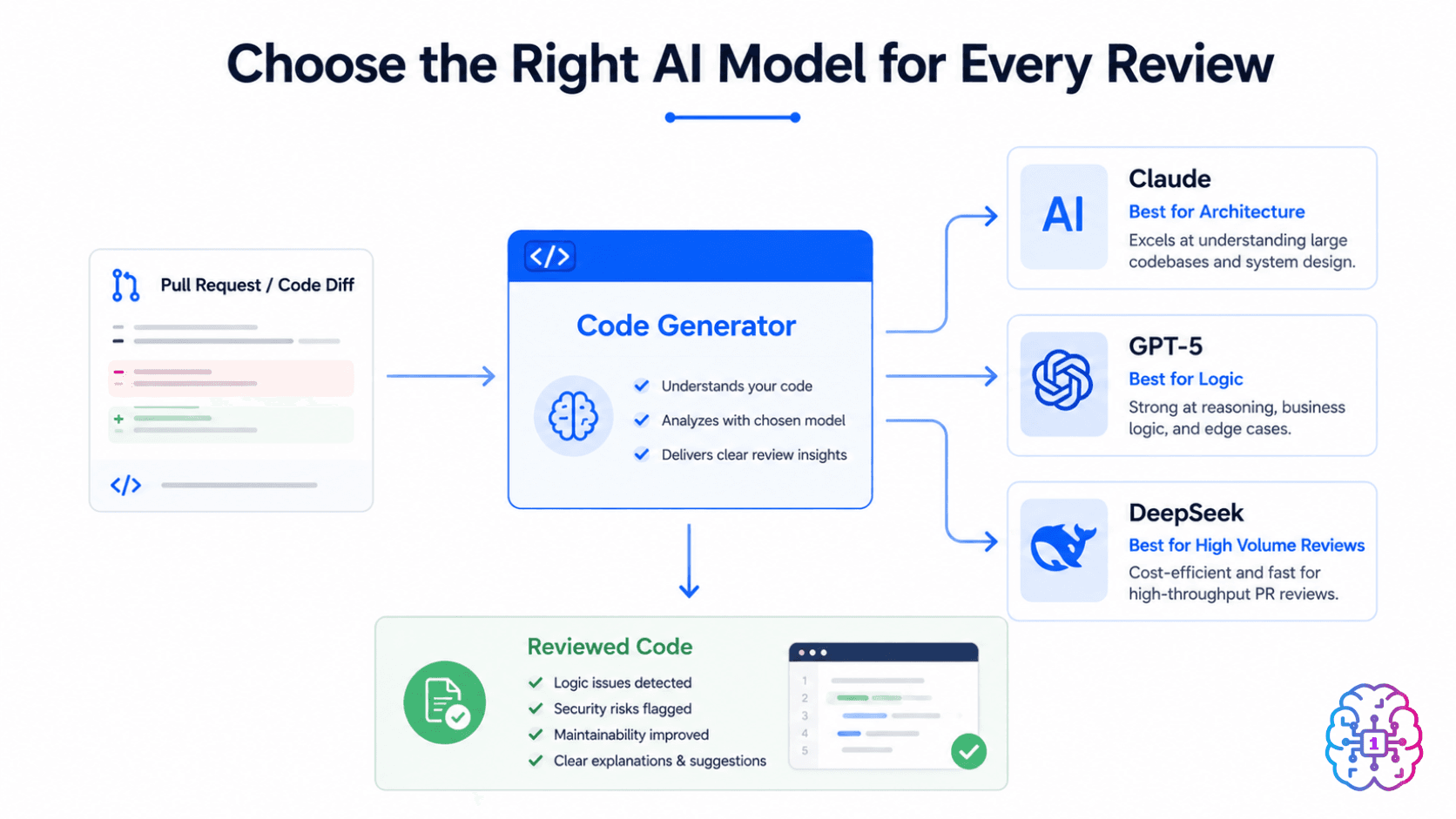
- Claude excels at understanding large codebases and architectural patterns, making it useful for reviewing complex refactors and system-level changes.
- GPT-5 performs well when reasoning through business logic, edge cases, and maintainability concerns.
- DeepSeek offers a cost-efficient option for high-volume PR reviews where teams need fast feedback without significantly increasing review costs.
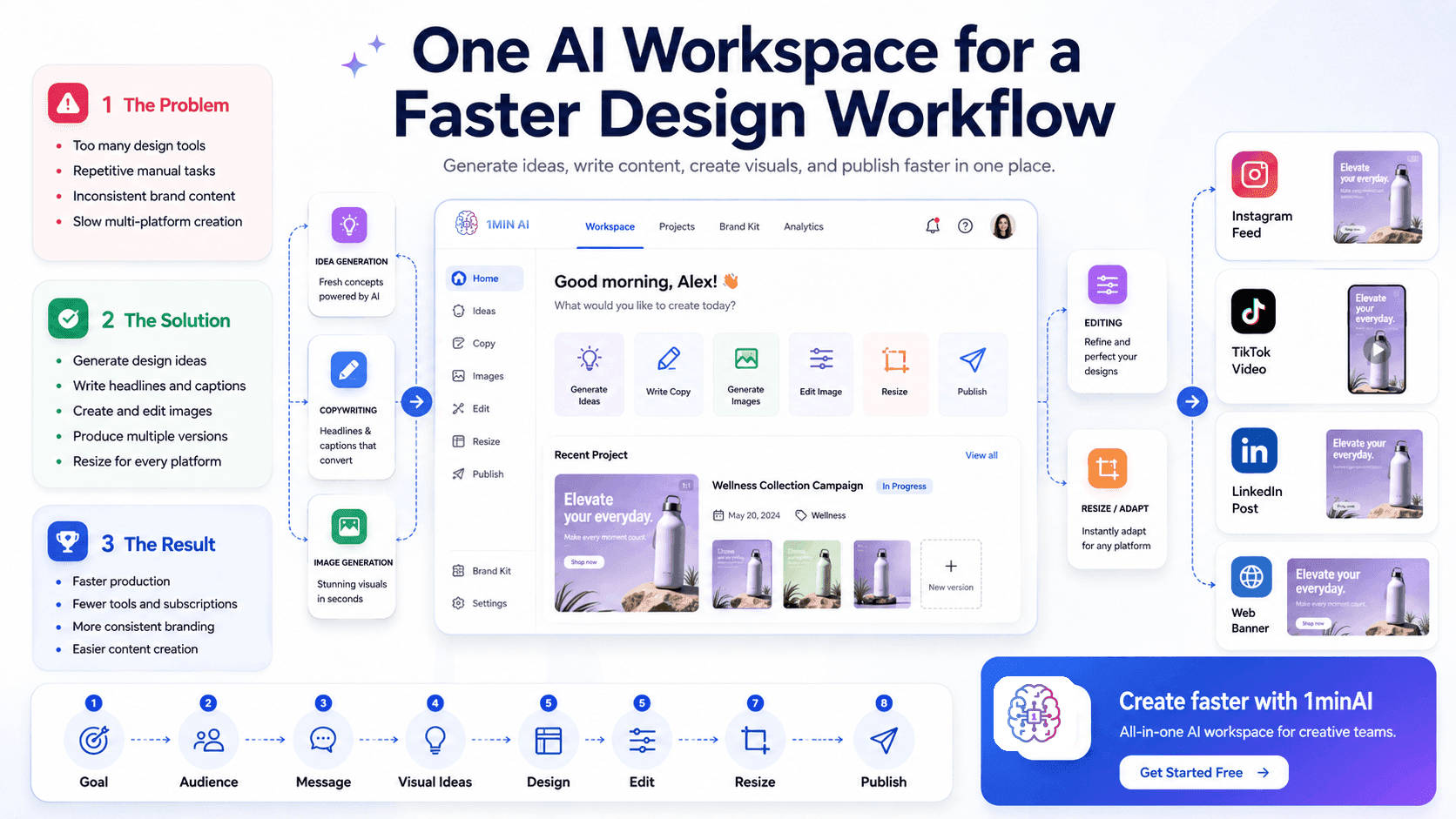
For Senior Engineers reviewing dozens of PRs every week, this flexibility matters. Instead of applying the same model to every pull request, 1min.AI's Code Generator lets you choose the model that best matches the risk, complexity, and review objective of each change.
A simple dependency update may only need a fast, low-cost review, while an authentication or payment-related change can be checked with a stronger reasoning model before human review begins.
What This Looks Like for a 10 to 30 PR-Per-Week Team
For a Tech Lead managing this volume, the shift is practical: instead of manually reviewing every PR's logic, security, and style yourself, you paste the diff into Code Generator, pick a model that fits the risk level, and get logic and security issues flagged before you read a single line yourself, with help checking edge cases available in the same conversation. The senior engineer's time goes to the judgment calls left over, not the first pass.
The goal is not zero human review. Independent evaluations, including Monterail's 2026 comparison of GitHub Copilot, Cursor BugBot, and CodeRabbit, land on the same conclusion: AI code review reduces the cognitive load that makes manual review unsustainable, it does not eliminate the human in the loop.
Can I Use AI for Code Review? Why Senior Teams Are Choosing 1min.AI
Yes, and most SaaS teams managing meaningful PR volume already do, in some form. Choosing among the many tools claiming to do ai code review comes down to three things worth verifying in any ai code review software: does it catch what matters, does it fit how your team already works, and is it honest about what it can and cannot do yet.
Inside Code Generator: One Place to Pick the Right Model for the Job
Among everything in 1min.AI's wider workspace, from image and audio tools to document and video generation, Code Generator is the piece built specifically for this problem: it gives you access to a wide range of reasoning models in one workspace, from cost-efficient options like DeepSeek V3.2 and GPT-5.4 Nano for routine, high-volume reviews, to stronger reasoning models like Claude 4.6 Sonnet, GPT-5.5, or Claude 4.8 Opus for complex logic or security-critical changes.
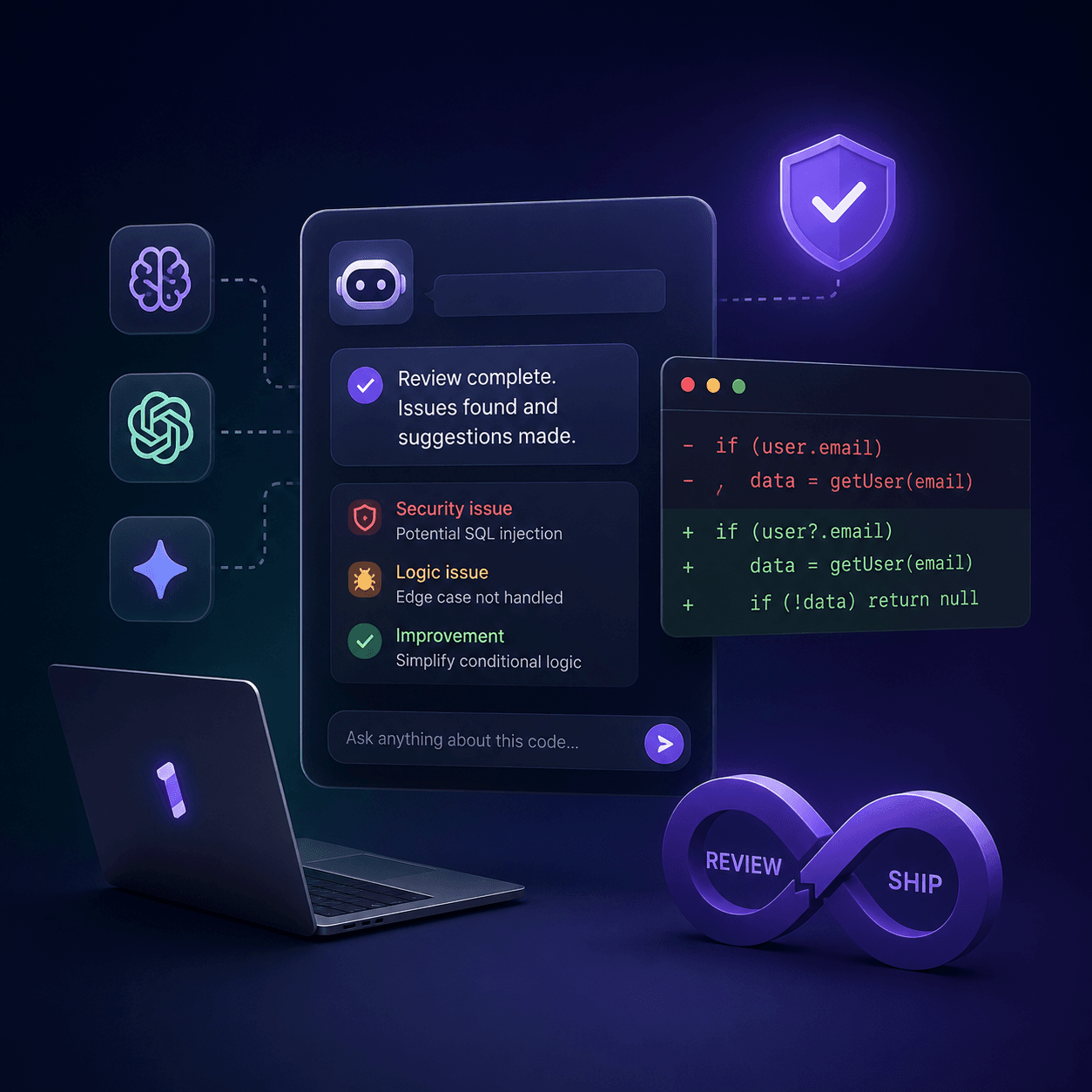
You paste in the code, choose the model that fits the task, and get an analysis of logic and security issues along with support for checking the code further, all without leaving the chat or paying the same rate for a one-line fix as for a sprawling refactor.
Is the AI Code Actually Good? What Code Generator Does Today, and What It Does Not
This is the honest part: Code Generator today is a flexible review and code-checking assistant, not an autonomous agent that watches your repository and reviews pull requests on its own. You decide what gets reviewed and when, by pasting in the code or diff yourself. It does not currently open PRs, comment inline on GitHub or GitLab automatically, or run your test suite in an isolated execution environment the way some dedicated CI-integrated tools do.
What it does well is the part that actually eats senior engineers' time: catching logic and security issues across a wide choice of models, fast, in one place, at a cost that scales with the model you pick rather than a flat per-seat fee. For a Tech Lead deciding what to adopt this quarter, that is a real, usable capability today, not a roadmap promise.
What's the Best AI for Code Review? It Is Whichever Model Fits the Job in Front of You
Rather than committing your team to a single AI reviewer, 1min.AI's Code Generator gives you access to multiple leading reasoning models in one workspace.
This approach allows teams to balance review quality, speed, and cost based on the code being evaluated. Use a lightweight model for routine PRs, switch to a stronger reasoning model for security-sensitive changes, and compare outputs when additional confidence is needed.
Combined with logic review, security analysis, and follow-up conversations in the same chat session, Code Generator helps Senior Engineers spend less time on first-pass reviews and more time on the architectural decisions that actually require human judgment.
Your senior engineers should be spending their best hours building, not buried in PR queues. With 1min.AI's Code Generator, you get flexible ai code review that lets you pick the right reasoning model for every piece of code, catch logic and security issues early, and get support checking edge cases, all in one chat. Start a free trial today and see how much review time your team gets back this week.
Have questions first? Reach out to our team at 1min.AI and we will help you map the workflow to your stack.
Build smarter, review faster, and ship with confidence using 1min.AI.