
ChatGPT Astra 6 vs Sol 6.1: Which GPT-6 Model Should You Choose?

Tram Ta
2026年11月20日
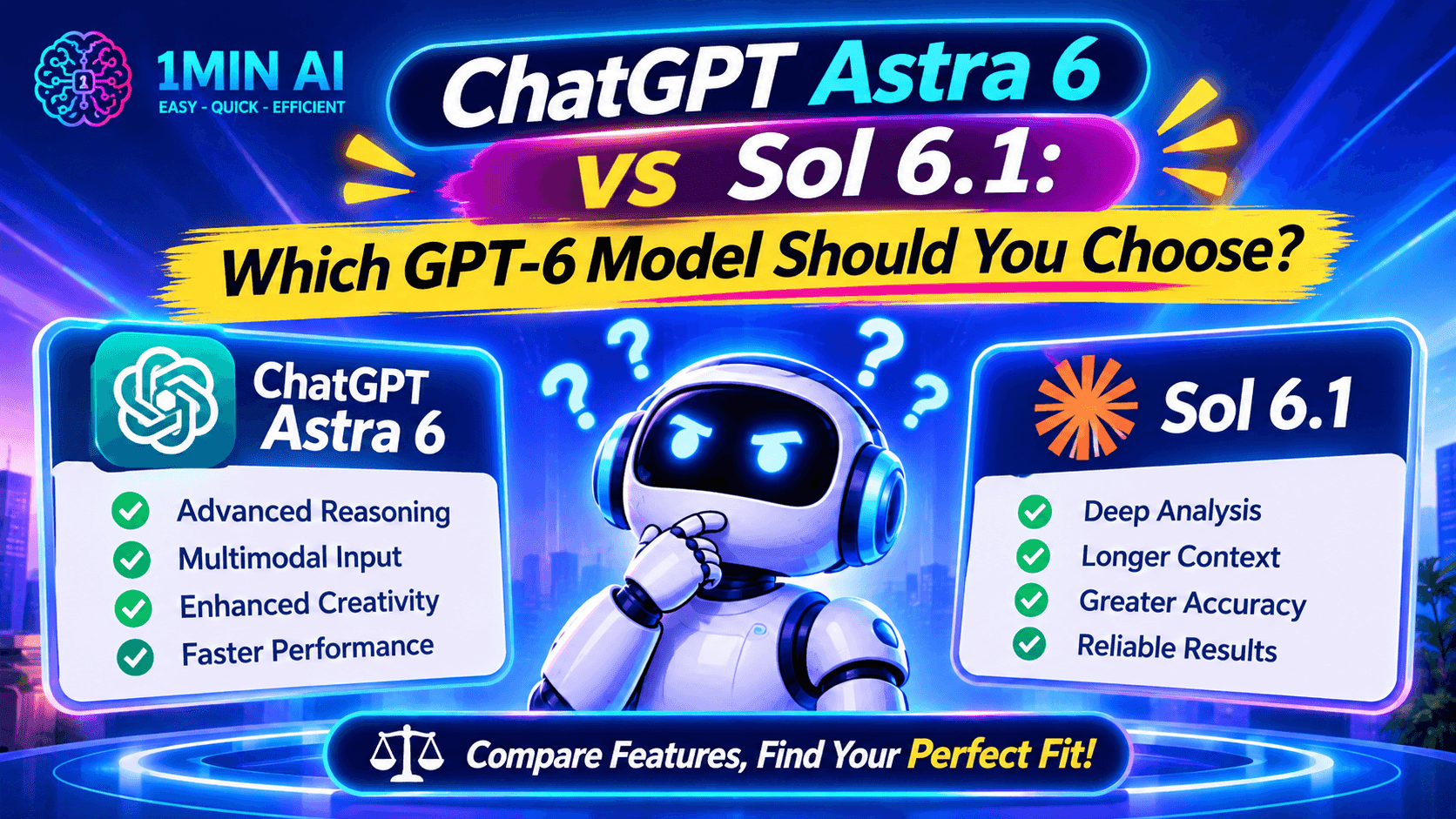
Compare GPT-6 Astra vs GPT-6.1 Sol in reasoning, coding, speed, context, and API pricing. Discover which AI model fits your workflow with 1minAI.
OpenAI's GPT-6 model family offers different options for users who need advanced reasoning, coding assistance, research, and professional productivity. Two models worth comparing are GPT-6 Astra and GPT-6.1 Sol.
Both are designed for demanding tasks, but they serve slightly different priorities. GPT-6 Astra is positioned as the flagship model for the most challenging work, while GPT-6.1 Sol aims to deliver near-Astra performance at a lower cost.
So, which one should you use?
In this guide, we'll compare ChatGPT Astra 6 vs Sol 6.1 across their capabilities, performance, pricing, and practical use cases. We'll also show how you can explore GPT-6.1 Sol and compare AI models through 1minAI.
What Is GPT-6 Astra?
GPT-6 Astra is OpenAI's flagship model in the GPT-6 family. It is designed for tasks that require advanced reasoning, careful judgment, and the ability to handle complex workflows.
Rather than focusing only on answering individual questions, Astra is built to support more demanding professional tasks involving multiple steps, information sources, and tools.
Key Features of GPT-6 Astra
1. Advanced reasoning
Astra is intended for problems that require deeper analysis, complex decisions, and the evaluation of multiple possibilities.
For example, you can use it to:
- Analyze a complicated business problem.
- Compare competing strategies.
- Evaluate scientific or technical information.
- Identify assumptions and gaps in an argument.
- Develop structured recommendations from multiple sources.
- . Advanced coding and software engineering
Astra is positioned for demanding software engineering work. It can help developers reason through complex codebases, plan architectural changes, debug difficult issues, and work through multi-step development tasks.
3. Computer use and browsing
Astra also emphasizes computer-use capabilities. With supported tools and permissions, it can interact with software environments, navigate interfaces, and carry out multi-step workflows.
This makes it relevant to tasks such as researching information, working with documents, and completing operations across supported applications.
4. Professional research and document creation
Astra can support work that involves analyzing information and producing structured outputs, such as reports, technical documents, and research summaries.
For users who need a model to handle difficult tasks with fewer rounds of manual guidance, these capabilities make Astra an attractive option.
OpenAI highlights Astra's performance in computer use, browsing, software engineering, science, and professional work in its GPT-6 Astra announcement.
What Is GPT-6.1 Sol?
GPT-6.1 Sol is another advanced model in the GPT-6 family. Its main goal is to balance intelligence, performance, and cost.
Instead of positioning Sol as the option for only the simplest tasks, OpenAI describes it as delivering near-Astra performance for complex coding, computer use, and professional work at a lower price.
This makes it a practical choice for people who need capable AI assistance regularly.
Key Features of GPT-6.1 Sol
1. Strong performance for coding tasks
Sol is designed to support software development workflows, including:
- Writing functions and scripts.
- Explaining unfamiliar code.
- Debugging errors.
- Drafting and reviewing tests.
- Working through multi-step programming requests.
For developers who need help with regular coding work, Sol can be a cost-efficient starting point.
- . Support for complex workflows
Sol is not limited to simple question-and-answer interactions. It can help with professional tasks that involve several steps, such as organizing information, analyzing requirements, and developing structured outputs.
3. Adjustable reasoning effort
GPT-6.1 Sol supports different reasoning effort levels: low, medium, high, xhigh, and max.
This gives developers more control over how much reasoning effort to apply to a task. More demanding requests can use higher effort, while straightforward requests may not need it.
4. Lower API cost
One of Sol's biggest advantages is its API pricing.
Its standard input and output token rates are significantly lower than Astra's. For applications that make frequent model requests, this difference can matter when managing operating costs.
For more details about the model, visit 1minAI's GPT-6.1 Sol page.
ChatGPT Astra 6 vs Sol 6.1: 5 Major Differences
Now let's look at the differences that matter when choosing a model for real work.
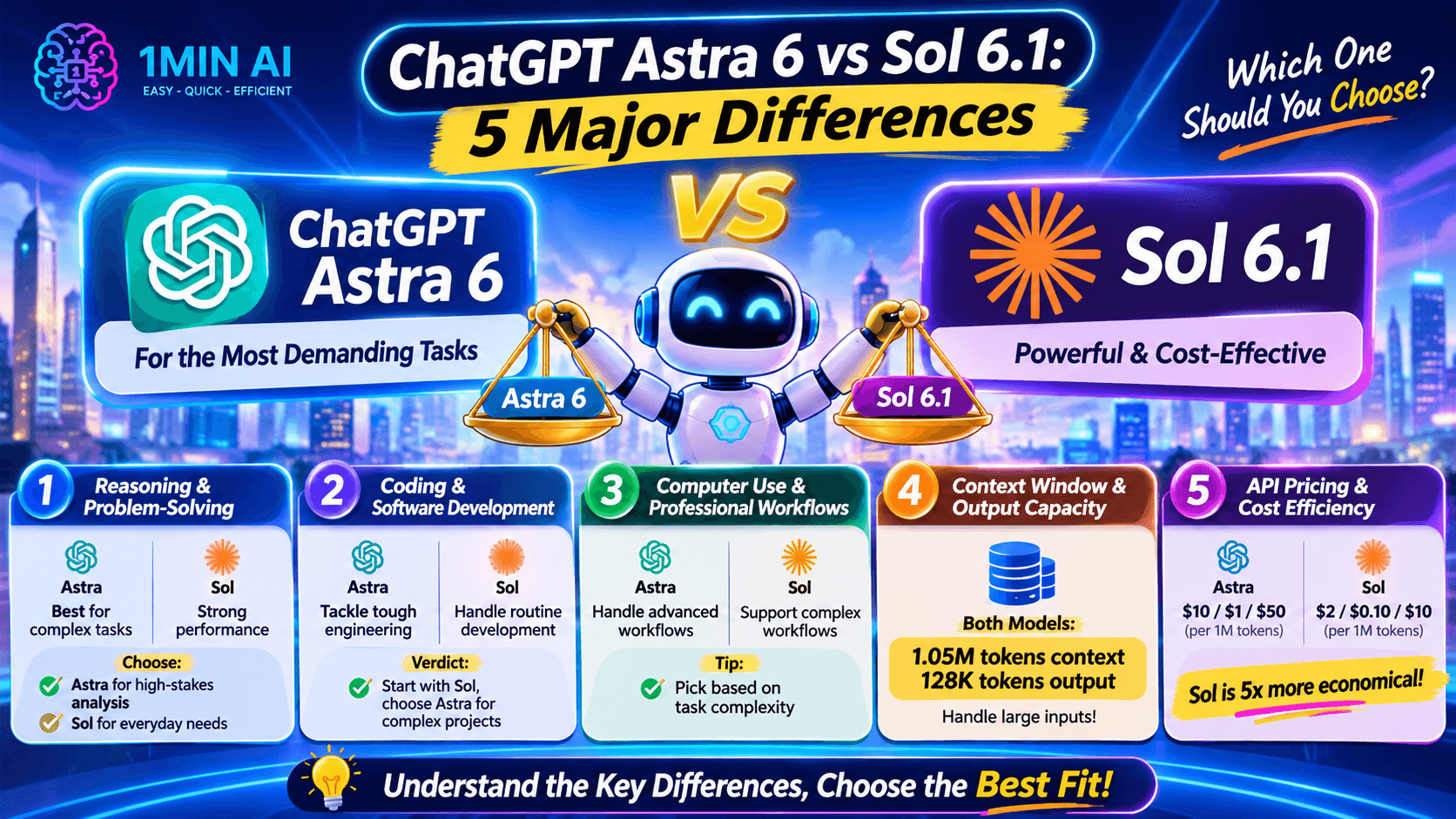
1. Reasoning and Problem-Solving
Both models support advanced reasoning, but their intended roles are different.
GPT-6 Astra is the stronger starting point when a task demands the highest level of reasoning and judgment. It is designed for particularly challenging research, complex technical problems, and professional work where mistakes can have significant consequences.
GPT-6.1 Sol, meanwhile, offers near-Astra performance at a lower cost. It is suitable for many complex tasks without requiring the most expensive model for every request.
Choose Astra when:
- You need to evaluate complicated technical or scientific problems.
- Your task involves multiple conflicting sources.
- You need careful analysis and detailed recommendations.
Choose Sol when:
- You need regular help with coding and problem-solving.
- You work with structured professional tasks.
- You want strong reasoning without paying flagship API rates for every request.
. Coding and Software Development
Both models can help with programming, but Astra is positioned for the most demanding software engineering work.
For example, consider a developer building a new application.
They might need AI assistance with:
- Planning the application architecture.
- Writing and reviewing code.
- Debugging unexpected behavior.
- Testing different implementation approaches.
- Identifying potential problems before deployment.
Astra is a strong candidate for particularly difficult engineering challenges.
Sol is a practical option for everyday development work, such as writing functions, explaining code, fixing common errors, and drafting tests.
Verdict: Start with Sol for routine development. Consider Astra when the problem becomes unusually complex or requires deeper reasoning.
3. Computer Use and Professional Workflows
Computer use is another important area for both models.
Astra is designed to handle demanding workflows involving supported browsers and professional software. It can help with tasks that require navigating interfaces, gathering information, and coordinating multiple actions.
Sol also supports complex computer-use and professional workflows, but with a lower-cost positioning.
Imagine you need to organize information from several business documents and turn it into a structured report.
You could use either model, depending on the complexity of the work and your budget. For a straightforward workflow, Sol may be sufficient. For a more challenging task involving complicated decisions and multiple steps, Astra may be worth considering.
Remember that actual computer actions depend on the tools, permissions, and environment available to the model.
4. Context Window and Output Capacity
One interesting point is that the two models share the same published context window and maximum output capacity.
| Specification | GPT-6 Astra | GPT-6.1 Sol |
|---|---|---|
| Context window | 1.05M tokens | 1.05M tokens |
| Maximum output | 128K tokens | 128K tokens |
This means Sol is not simply a smaller-context alternative.
Both models can work with substantial amounts of input and produce long outputs within their published limits.
For users who regularly analyze long documents, code, or research materials, this shared capacity is useful. However, a large context window does not guarantee that every detail will be interpreted correctly. The model's reasoning quality and the structure of your prompt still matter.
5. API Pricing and Cost Efficiency
Pricing is one of the clearest differences between Astra and Sol.
According to OpenAI's published standard API pricing:
| API pricing per 1M tokens | GPT-6 Astra | GPT-6.1 Sol |
|---|---|---|
| Input tokens | $10 | $2 |
| Cached input tokens | $1 | $0.10 |
| Output tokens | $50 | $10 |
At these standard rates, Sol costs one-fifth as much as Astra for both standard input and output tokens.
For example, consider an application that processes 1 million input tokens and generates 1 million output tokens.
- GPT-6 Astra: $10 + $50 = $60.
- GPT-6.1 Sol: $2 + $10 = $12.
That is a $48 difference for this illustrative workload, before any applicable tool fees or other charges.
This example uses standard API token pricing only. Actual costs depend on token usage, caching, tools, and any additional pricing rules.
Verdict: Sol is the more economical option for high-volume usage. Astra may justify its higher cost when its additional capabilities materially improve the outcome.
GPT-6 Astra vs GPT-6.1 Sol: Which Model Is Better for Different Tasks?
The best model depends on what you want to accomplish.
| Task | Recommended Starting Point | Why |
|---|---|---|
| Complex scientific research | GPT-6 Astra | Designed for the most demanding reasoning and research |
| Advanced software engineering | GPT-6 Astra | Strong flagship positioning for difficult engineering work |
| Everyday coding | GPT-6.1 Sol | Strong coding assistance at a lower API cost |
| Document analysis | Either | Choose based on complexity and budget |
| Professional workflows | Either | Astra for the hardest tasks; Sol for cost-efficient execution |
| High-volume API applications | GPT-6.1 Sol | Lower standard token prices |
| Multi-step reasoning | Either | Match reasoning effort and model capability to task difficulty |
A useful strategy is to start with Sol and move to Astra when the task requires more advanced reasoning, stronger judgment, or additional problem-solving capability.
This avoids using a flagship model for every request when a more economical model can already do the job.
How to Try GPT-6.1 Sol with 1minAI
If you want to explore GPT-6.1 Sol without building an API integration yourself, you can start with its dedicated page on 1minAI.
Step 1: Open GPT-6.1 Sol on 1minAI
Visit Free AI Chat with GPT-6.1 Sol on 1minAI.
This gives you a starting point to explore the model through 1minAI's AI chat experience.
Step 2: Enter Your Task
Think of a real task you want the model to handle.
For example:
- Explain a complicated programming concept.
- Review a piece of code.
- Create a project plan.
- Summarize a long document.
- Compare two business strategies.
Use a clear prompt that explains your goal and the expected output.
Step 3: Review the Response
Don't judge a model only by whether its answer sounds convincing.
Check whether it:
- Understands your instructions.
- Provides accurate and relevant information.
- Follows your requested format.
- Explains its reasoning clearly.
- Produces an output you can actually use.
Step 4: Compare with Other AI Models
One response does not always tell you which model is best.
You can explore 1minAI's 100 AI Chat and Multi AI Chat & AI Agent to discover different AI models and workflows.
With a multi-model approach, you can test the same prompt across available models, compare their answers, and choose the response that best fits your needs.
For a broader look at the differences between Sol releases, read GPT-6.1 Sol vs GPT-6.1 Terra on 1minAI.
Frequently Asked Questions
1. Is GPT-6 Astra better than GPT-6.1 Sol?
GPT-6 Astra is positioned as OpenAI's most capable model for the most demanding reasoning, coding, research, and professional work. GPT-6.1 Sol offers near-Astra performance at a lower cost. Astra is the stronger starting point for the hardest tasks, while Sol may be the better value for many regular workflows.
2. What is the main difference between ChatGPT Astra 6 and Sol 6.1?
The main difference is their positioning. GPT-6 Astra prioritizes maximum capability, while GPT-6.1 Sol balances strong performance with lower API costs. Both have a published 1.05-million-token context window and 128,000-token maximum output.
3. Is GPT-6.1 Sol cheaper than GPT-6 Astra?
Yes. OpenAI's published standard API rates are $2 per million input tokens and $10 per million output tokens for Sol, compared with $10 and $50 respectively for Astra. Actual platform pricing and usage limits may differ.
4. Can GPT-6.1 Sol handle complex coding?
Yes. GPT-6.1 Sol is designed for complex coding, computer use, and professional work. It supports several reasoning effort levels, allowing developers to adjust the amount of reasoning applied to a task.
5. Does GPT-6 Astra have a larger context window than Sol?
No. The published specifications list a 1.05-million-token context window and 128,000-token maximum output for both models.
Final: GPT-6 Astra or GPT-6.1 Sol?
There is no single winner for every task.
Choose GPT-6 Astra when you need the strongest available reasoning for demanding research, difficult software engineering, and complex professional workflows.
Choose GPT-6.1 Sol when you want capable AI assistance for coding, computer use, and regular professional tasks while keeping API costs lower.
For many users and developers, the smartest approach is not to rely on one model for everything. Start with a cost-efficient option, evaluate the results, and use a more capable model when the task genuinely requires it.
With 1minAI, you can explore GPT-6.1 Sol and discover multi-model AI chat experiences that make it easier to test different approaches and find the right AI assistant for your workflow.
- #Commerce
- #Information
替代方案
探索 1minAI 的最佳替代方案,並比較其功能、定價和使用案例。

1min.AI 對比 OpenRouter
1min.AI 對比 OpenRouter:比較即用型 AI 創作產品同技術 API 工具。睇下你需要零程式碼創意工作室,定係編碼基礎設施中樞。
 Ngoc Hong
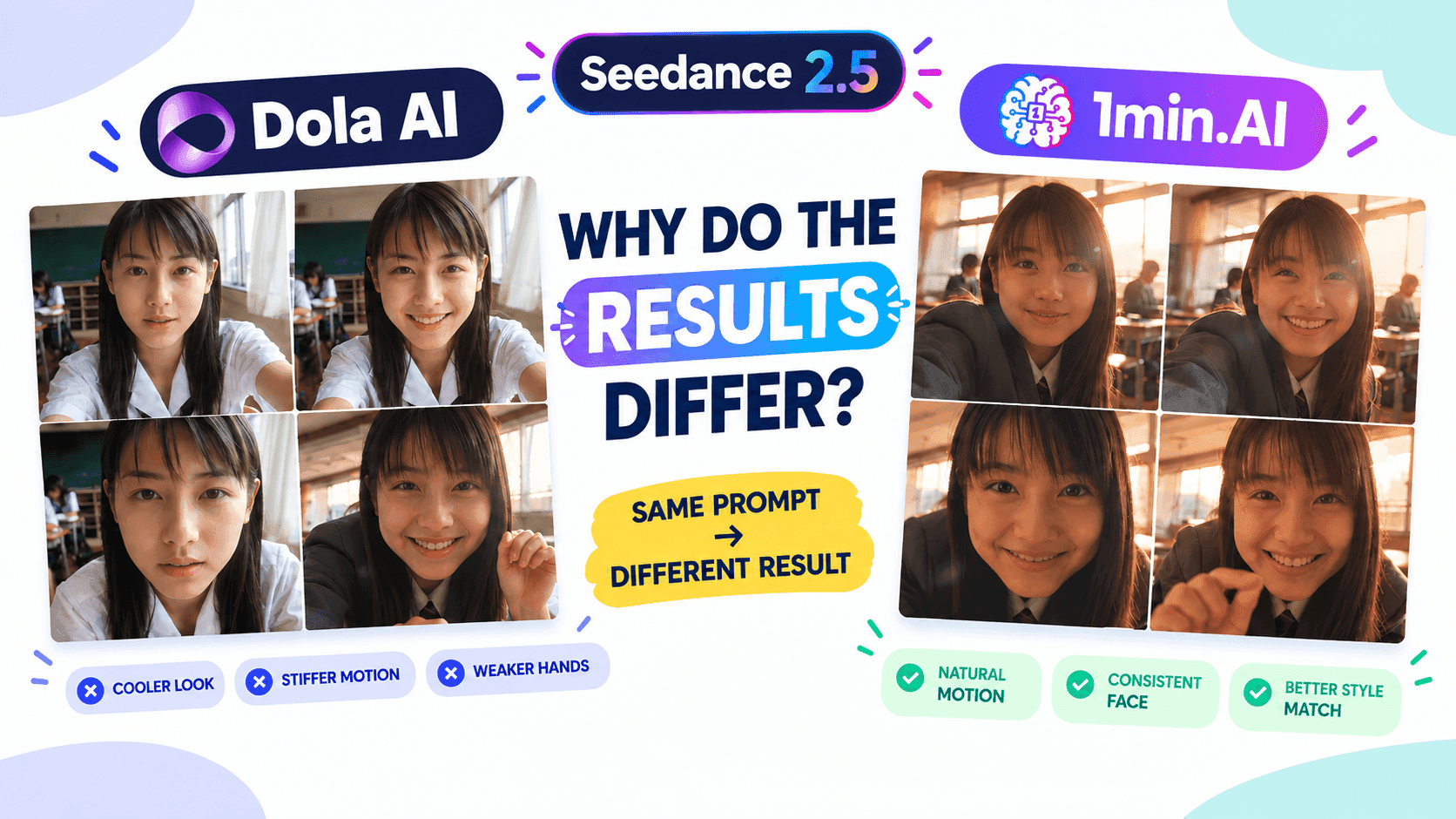
1min. AI vs Dola AI
想搵 Dola AI 替代方案?比較 1min.AI vs Dola AI 嘅影片生成、免費方案、收費同私隱,揀啱適合你嘅 AI 應用。
Ngoc Hong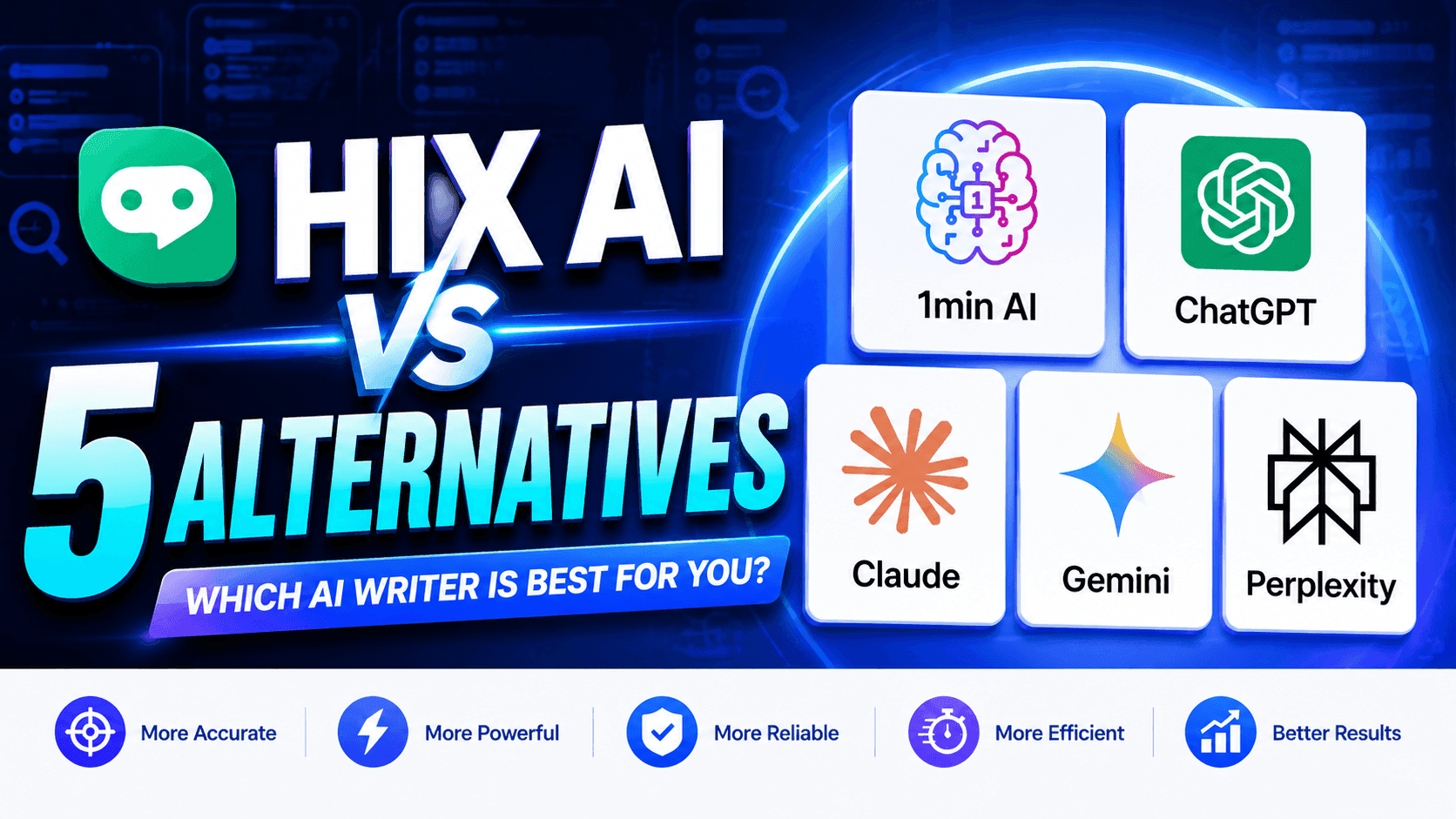
1minAI vs Hix AI
比較 5 個 HIX AI 替代方案,涵蓋 AI 聊天、研究、寫作、圖片、影片、定價同靈活 AI 工作流程。
Ngoc HongAI 工具
探索最佳 AI 工具,提升生產力、創造力及日常工作效率。
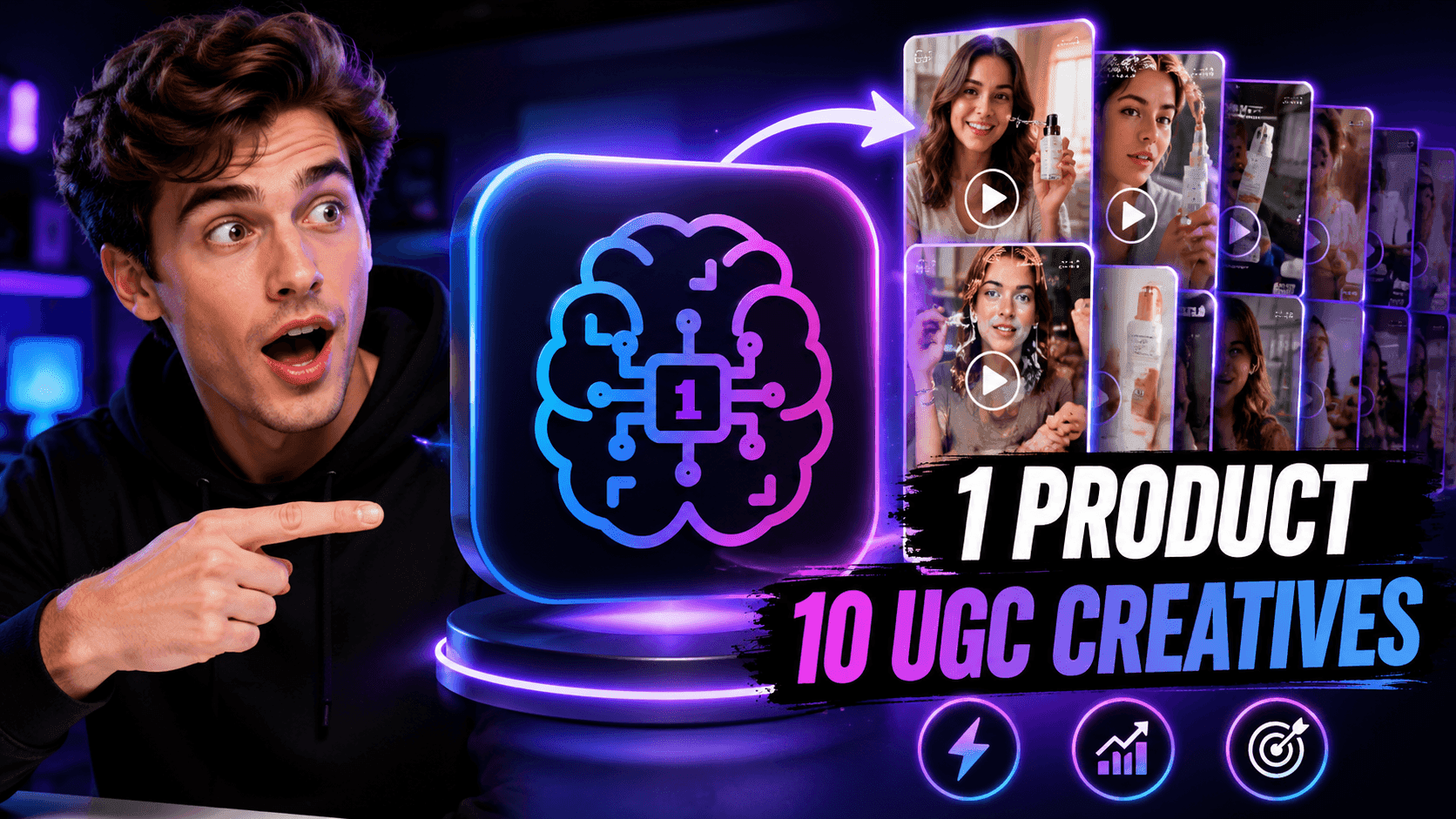
一個產品,10 個 UGC 創意:AI 點樣令內容測試更輕鬆
用 AI UGC 影片生成器製作更真實嘅 UGC,測試更多創意角度,並喺唔使逐條拍攝嘅情況下擴大聯盟內容規模。
 Lien Anh Vu
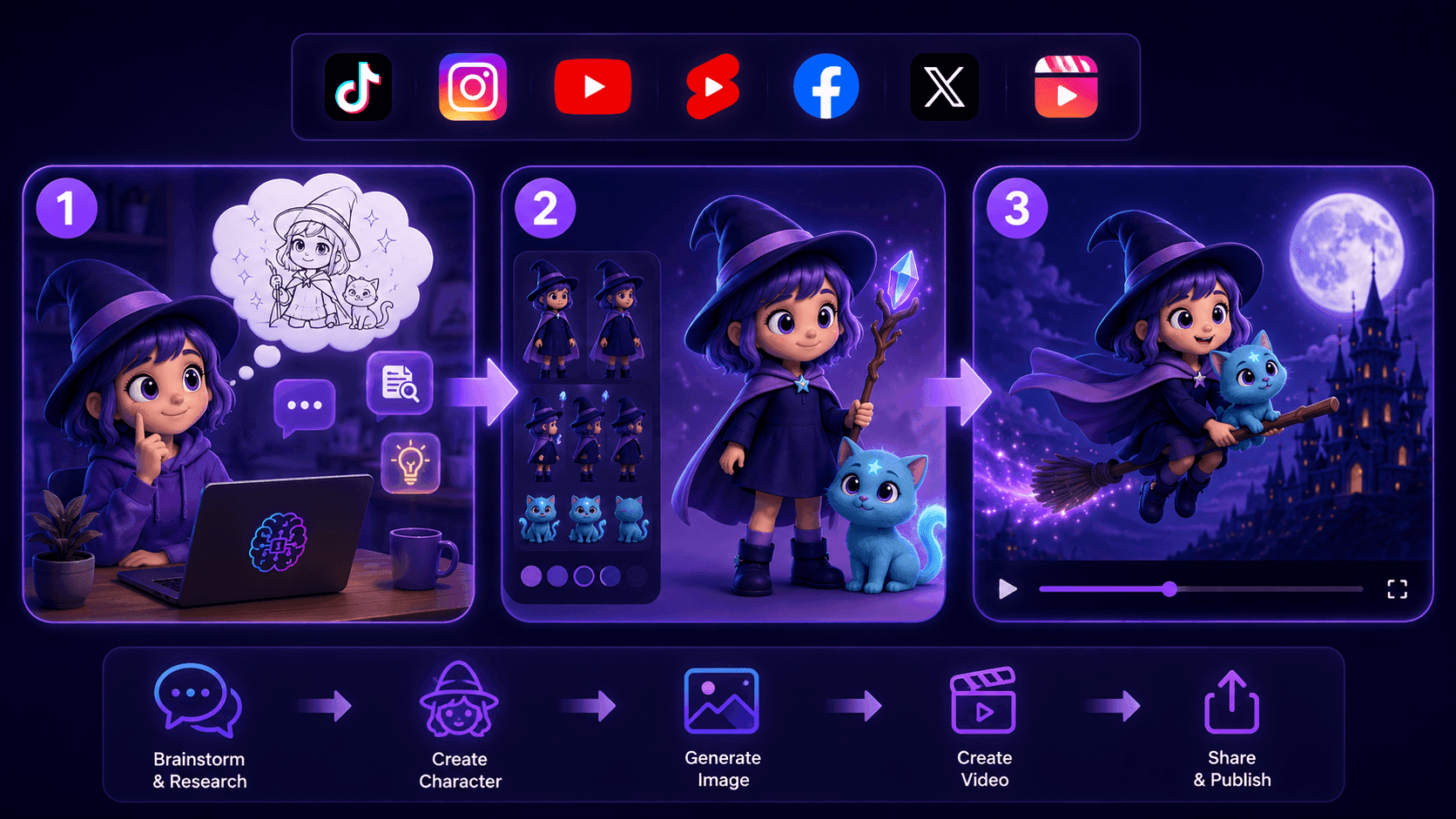
只需幾個步驟,即可製作一致的卡通內容
用 1min.AI 透過 3 個簡單步驟製作 TikTok 同 Reels 卡通影片,由研究點子到角色再到動畫影片,一次完成。
Lien Anh Vu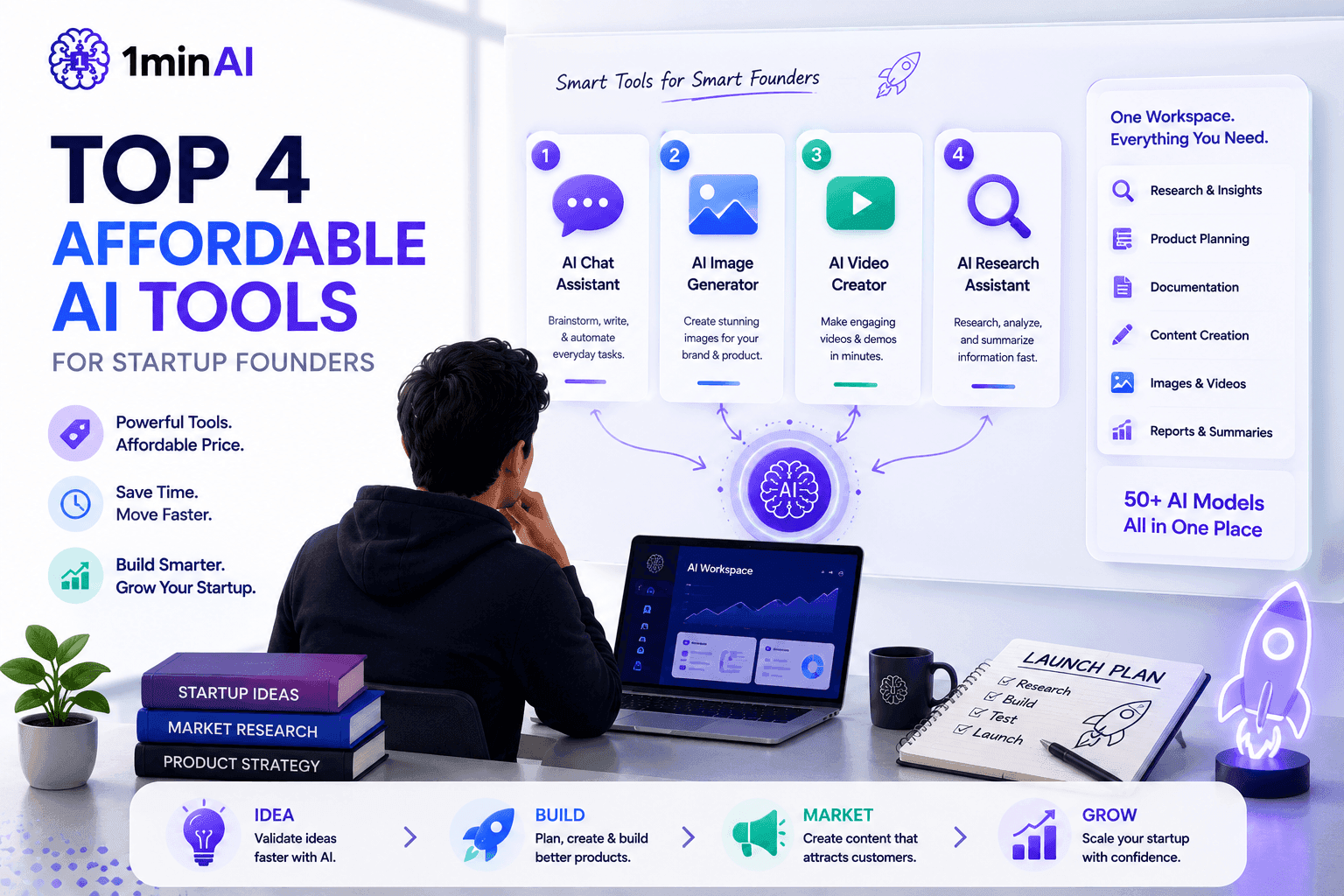
為初創創辦人而設的 4 款最抵用 AI 工具
發掘 4 款最抵用嘅 AI 工具,幫初創創辦人驗證概念、建立產品、製作內容,同埋更快推出市場,而唔使超支。
 Tram Ta
AI 功能
全面的 AI 功能,可簡化工作流程、提升效率,讓團隊達成更多目標。
AI 應用案例
精選 AI 應用案例,涵蓋商業、生產力及各行業專用應用。
一個產品,10 個 UGC 創意:AI 點樣令內容測試更輕鬆
用 AI UGC 影片生成器製作更真實嘅 UGC,測試更多創意角度,並喺唔使逐條拍攝嘅情況下擴大聯盟內容規模。
Lien Anh Vu只需幾個步驟,即可製作一致的卡通內容
用 1min.AI 透過 3 個簡單步驟製作 TikTok 同 Reels 卡通影片,由研究點子到角色再到動畫影片,一次完成。
Lien Anh Vu
Instagram 最佳發帖時間:提升互動的實用指南
了解 Instagram 最佳發帖時間,包括不同受眾的最佳日子和時段,以及如何為你的帳戶找出理想的發帖時間表。
Tram TaAI 教學
透過實用的逐步教學,學習如何使用人工智能。
只需幾個步驟,即可製作一致的卡通內容
用 1min.AI 透過 3 個簡單步驟製作 TikTok 同 Reels 卡通影片,由研究點子到角色再到動畫影片,一次完成。
Lien Anh Vu
2026 黑色星期五 AI 工具優惠
探索 2026 黑色星期五 AI 工具優惠有咩選擇。了解點樣透過 AppSumo、Dealify、Stack Social 搶到 1min.AI 終身方案,並可喺 Trustpilot、Slashdot 同 Software Advice 核實。
 Hang Nguyen
使用 Seedance 的 AI 圖像轉影片產品一致性,停止變形並 масштаб化產品評測
以 AI 圖像轉影片產品一致性停止 logo 變形,立即在 1min.AI 製作 studio 級評測影片。
Lien Anh VuAI 指南
透過實用指南、真實案例和可操作嘅最佳實踐,更快咁學習 AI。
只需幾個步驟,即可製作一致的卡通內容
用 1min.AI 透過 3 個簡單步驟製作 TikTok 同 Reels 卡通影片,由研究點子到角色再到動畫影片,一次完成。
Lien Anh Vu
安全網上購買 AI 工具:2026 黑色星期五指南
了解如何在網上搵到同鎖定最佳黑色星期五 AI 優惠。學習專家策略,避開騙局、應對訂閱疲勞,並驗證軟件。
Hang Nguyen使用 Seedance 的 AI 圖像轉影片產品一致性,停止變形並 масштаб化產品評測
以 AI 圖像轉影片產品一致性停止 logo 變形,立即在 1min.AI 製作 studio 級評測影片。
Lien Anh VuAI 解決方案
瀏覽適用於自動化、編碼、研究、生產力、客戶支援、市場推廣及業務流程的最佳AI解決方案。
一個產品,10 個 UGC 創意:AI 點樣令內容測試更輕鬆
用 AI UGC 影片生成器製作更真實嘅 UGC,測試更多創意角度,並喺唔使逐條拍攝嘅情況下擴大聯盟內容規模。
Lien Anh Vu只需幾個步驟,即可製作一致的卡通內容
用 1min.AI 透過 3 個簡單步驟製作 TikTok 同 Reels 卡通影片,由研究點子到角色再到動畫影片,一次完成。
Lien Anh Vu
免費 AI 紋身生成器:自訂設計
用 1min.AI 的免費 AI 紋身生成器,將任何靈感變成自訂紋身設計。描述你的想法、選擇風格,幾秒內即可下載。
 Trang Tran
AI 模型
於一處探索全球頂尖嘅 AI 模型。
一個產品,10 個 UGC 創意:AI 點樣令內容測試更輕鬆
用 AI UGC 影片生成器製作更真實嘅 UGC,測試更多創意角度,並喺唔使逐條拍攝嘅情況下擴大聯盟內容規模。
Lien Anh Vu只需幾個步驟,即可製作一致的卡通內容
用 1min.AI 透過 3 個簡單步驟製作 TikTok 同 Reels 卡通影片,由研究點子到角色再到動畫影片,一次完成。
Lien Anh Vu使用 Seedance 的 AI 圖像轉影片產品一致性,停止變形並 масштаб化產品評測
以 AI 圖像轉影片產品一致性停止 logo 變形,立即在 1min.AI 製作 studio 級評測影片。
Lien Anh VuAI 比較
比較AI工具、模型及平台,尋找最適合您需求的選擇。
Kling AI 對 Veo 3:邊個模型勝出?
Kling AI 對 Veo 3:比較動態、原生音訊、定價同免費方案,睇下邊個 AI 影片生成器更適合你嘅項目——即刻喺 1min.AI 試晒兩個。
Trang Tran使用 Seedance 的 AI 圖像轉影片產品一致性,停止變形並 масштаб化產品評測
以 AI 圖像轉影片產品一致性停止 logo 變形,立即在 1min.AI 製作 studio 級評測影片。
Lien Anh Vu
DeepSeek V4 Pro 與 Flash 比較
比較 DeepSeek V4 Pro 與 DeepSeek V4 Flash 的指標。立即喺 1min.ai 優化你嘅 agentic apps,同提升 AI fact checking。
Ngoc HongAI 整合
將 AI 無縫整合到你現有的工具中,自動化工作並提升生產力。

如何使用 AI 時尚影片生成器製作 2026 時裝週內容
用 AI 將 2026 時裝週靈感變成驚艷時尚影片。學習如何發想、創作視覺,並以一個簡單流程將圖片轉成影片。
Lien Anh Vu
POV:你每日要製作 10+ 篇貼文
了解如何建立 AI 內容工作流程,幫助內容創作者透過 AI 發想、圖片生成同內容製作,更快每日產出 10+ 則社交媒體貼文。
Lien Anh Vu
停止在 AI 應用程式之間切換:AI 整合如何重塑僱主品牌
了解 AI 整合如何透過將 AI 寫作、文件、圖像、影片及多個 AI 模型整合到同一工作空間,幫助 HR 團隊簡化僱主品牌工作。
Tram Ta行業AI
為醫療保健、金融、教育、法律、製造、零售、房地產等行業尋找最佳AI工具和工作流程。
免費 AI 產品描述生成器
幾分鐘內寫出能帶來銷售的產品描述。使用這個免費 AI 產品描述生成器,將產品資料或相片轉成符合品牌的文案。試用 1min.AI。
Trang Tran
助初創企業提升利潤的最佳商業生產力工具 | 1minAI
探索最適合初創企業的商業生產力工具,節省時間、簡化工作流程、減少重複工作,並透過 AI 支援有利可圖的增長。
Tram Ta
最佳內容行銷 AI 工具|1minAI
搵緊最佳內容行銷 AI 工具?睇吓 1minAI 點樣幫市場人員喺同一個 AI 工作空間內做資料研究、寫作、重製內容、製作視覺素材同擴大產出。
Tram TaAI 代理
探索並運行 AI 代理,自動化您的工作和日常生活中的任務。

AI 工作流程
探索現成可用的 AI 工作流程,適用於生產力、營銷、銷售、支援等。
一個產品,10 個 UGC 創意:AI 點樣令內容測試更輕鬆
用 AI UGC 影片生成器製作更真實嘅 UGC,測試更多創意角度,並喺唔使逐條拍攝嘅情況下擴大聯盟內容規模。
Lien Anh Vu只需幾個步驟,即可製作一致的卡通內容
用 1min.AI 透過 3 個簡單步驟製作 TikTok 同 Reels 卡通影片,由研究點子到角色再到動畫影片,一次完成。
Lien Anh Vu如何使用 AI 時尚影片生成器製作 2026 時裝週內容
用 AI 將 2026 時裝週靈感變成驚艷時尚影片。學習如何發想、創作視覺,並以一個簡單流程將圖片轉成影片。
Lien Anh Vu電子報
1minAI 每週 AI 創新

🔮 每週 AI 創新 #143:更新 更新 GPT-6、GPT-6.1 與 Ideogram 4.0 與 Ideogram 4.0
在 1min.ai 取得 GPT-6 Sol、Luna、GPT-6.1 Sol 及 Ideogram 4.0。於同一平台將排版準確度提升至 98.4%,並把推理延遲降低 45%。
Hang Nguyen
🔮 每週 AI 創新 #142:Grok 4.7、Opus 5.5 與 Sonnet 5.5 登陸 1min.ai
在 1min.ai 存取 Grok 4.7、Claude Opus 5.5 及 Sonnet 5.5。透過單一整合工作區,最多可節省 70% 訂閱成本,並處理數以百萬計的 token。
Hang Nguyen
🔮 每週 AI 創新 #141:Seedance 2.5 與 Stable Audio 3:新一代 AI
在 1min.ai 探索 Seedance 2.0、2.5 以及 StabilityAI 的 Stable Audio 3。運用新一代生成式 AI 生成錄音室級音訊與同步動作。
Hang Nguyen