¿Son mejores las ofertas de Black Friday que las de Prime Day?

Hang Nguyen
9 de octubre de 2026
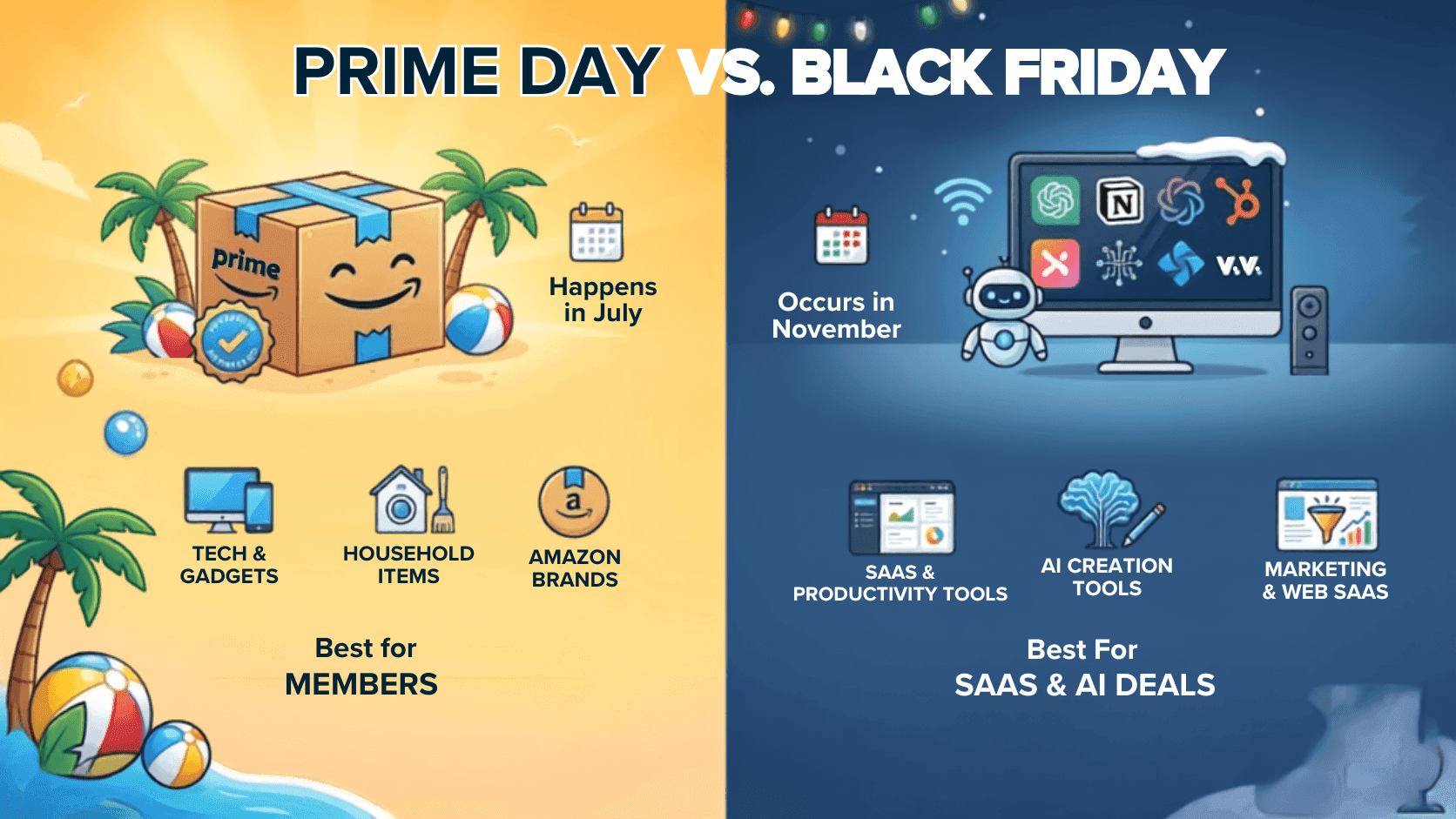
¿Son mejores las ofertas de Black Friday que las de Prime Day? Comparamos descuentos medios, ofertas de tecnología, promociones de SaaS y estrategias de compra para ayudarte a decidir cuándo comprar.
Cada año, millones de compradores esperan con entusiasmo dos enormes eventos minoristas: Prime Day de Amazon en verano (normalmente a mediados de julio) y Black Friday a finales de noviembre. Ambos prometen ahorros incomparables, pero atienden a ecosistemas minoristas y necesidades del consumidor diferentes.
Compradores, dueños de negocios y entusiastas de la tecnología se hacen constantemente la misma pregunta: ¿Son mejores las ofertas de Black Friday que las de Prime Day?
La respuesta corta es: depende por completo de lo que quieras comprar. Mientras que Prime Day es un poderoso motor de ventas diseñado para mantenerte dentro del ecosistema de Amazon, Black Friday es una guerra minorista global y omnicanal que abarca tiendas físicas, sitios de comercio electrónico independientes y plataformas de software B2B. Desglosamos exactamente qué evento es mejor para tu lista de compras específica
Comparando las ofertas: categoría por categoría
No todas las ofertas son iguales. El mejor día de compras depende en gran medida de lo que quieras comprar.
Tecnología y electrónica (hardware)
Cuando se trata de hardware —portátiles, televisores, consolas de videojuegos y dispositivos para el hogar inteligente— Black Friday es tradicionalmente el rey indiscutible. Como Black Friday coincide con la temporada de regalos navideños, todos los grandes minoristas (Best Buy, Walmart, Target y el propio Amazon) participan en una guerra de precios implacable. Encontrarás de forma constante descuentos más profundos en marcas premium (como Apple, Sony y LG) durante Black Friday.
Prime Day, en cambio, es el patio de recreo de Amazon. Las mejores ofertas absolutas de Prime Day suelen limitarse a los dispositivos propios de Amazon: altavoces Echo, lectores Kindle y cámaras Ring.
Si quieres un Kindle, cómpralo en Prime Day. Si quieres un televisor OLED, espera a Black Friday.
Software y SaaS (bienes digitales)
En el ámbito digital, como herramientas de IA, alojamiento web y software de productividad, Black Friday domina. Las empresas de software en gran medida ignoran Prime Day porque es un evento exclusivo de Amazon centrado en bienes físicos. Si eres freelance o dueño de un negocio y buscas ampliar tu stack tecnológico, ¿son mejores las ofertas de Black Friday que las de Prime Day? La respuesta es un rotundo sí. Black Friday es el evento singular en el que las plataformas B2B y SaaS ofrecen planes anuales con 50% de descuento y ofertas de por vida.
Por ejemplo, plataformas de IA como 1min.AI lanzan multiplicadores de créditos exclusivos y suscripciones anuales con grandes descuentos durante Black Friday, lo que permite a las agencias digitales fijar sus costes operativos para todo el año siguiente por una fracción del precio habitual.
¿Qué evento ofrece los descuentos más profundos?
El análisis estadístico de temporadas recientes de compras muestra una tendencia clara:
| Característica / Factor | Amazon Prime Day | Black Friday y Cyber Weekend |
|---|---|---|
| Momento | Mediados de julio (verano) | Finales de noviembre (temporada festiva) |
| Duración | 48 horas | 4 a 5 días (hasta Cyber Monday) |
| ¿Se requiere membresía? | Sí (se requiere Amazon Prime) | No (abierto a todo el mundo, en todas partes) |
| Descuento medio | 20% – 25% | 30% – 35% (ofertas relámpago de hasta el 70%) |
| Ideal para | Dispositivos Amazon, hogar inteligente, básicos del hogar | Televisores, portátiles, tecnología de Apple, videojuegos y suscripciones SaaS/IA |
| Competencia entre minoristas | Exclusivo de Amazon (algunos minoristas contraofertan) | Guerra de precios global y abierta entre todas las marcas |
-
Descuento medio de Prime Day: suele situarse entre el 20% y el 25% en todas las categorías. Depende en gran medida de las "Lightning Deals" —ofertas de corta duración con inventario limitado— para crear sensación de urgencia. Además, Prime Day requiere una suscripción de pago a Amazon Prime para acceder a las ofertas, creando de hecho un muro de pago.
-
Descuento medio de Black Friday: promedia más cerca del 30% al 35% en todo el sector, con ofertas relámpago concretas que a menudo alcanzan entre el 50% y el 70% de descuento. Como Black Friday es un evento de mercado abierto, la competencia intensa obliga a los minoristas a bajar mucho más los precios para ganar tu presupuesto navideño.
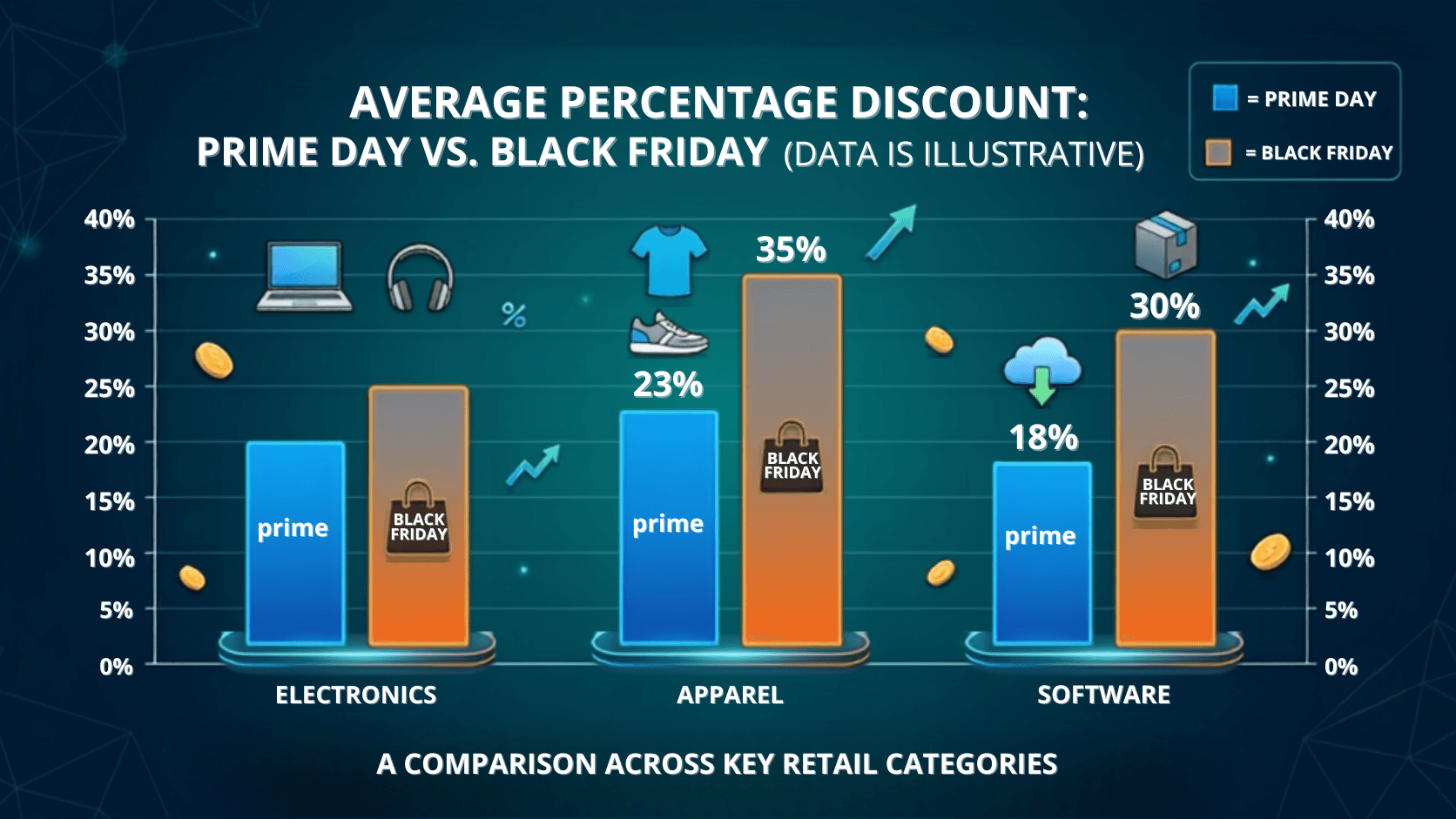
Además, Prime Day requiere una suscripción de pago a Amazon Prime para acceder a las ofertas, creando de hecho un muro de pago. Black Friday está abierto a todo el mundo en todo el panorama minorista y digital.
Estrategias para aprovechar ambas rebajas
Los compradores inteligentes no eligen una u otra; usan ambas de forma estratégica.
-
Usa Prime Day para lo esencial y la tecnología de Amazon: haz acopio de productos del hogar, artículos de aseo y dispositivos Alexa en julio.
-
Usa Black Friday para artículos caros y software: reserva tu presupuesto para grandes productos electrónicos, regalos navideños y suscripciones SaaS (como 1min.AI o Adobe) en noviembre.
-
Sigue el historial de precios: usa extensiones del navegador como CamelCamelCamel o Keepa. Que un artículo lleve la etiqueta de "Black Friday" no significa que no fuera más barato en octubre. Verifica siempre el precio base.
Preguntas frecuentes (FAQ)
1. ¿Amazon participa en Black Friday?
Sí, Amazon participa de forma masiva en Black Friday y Cyber Monday. A menudo iguala los precios de ofertas de Best Buy o Walmart, lo que lo hace muy competitivo también en noviembre.
2. ¿Las ofertas de TV en Black Friday son realmente buenas?
Sí, pero cuidado con los "modelos derivados". A veces los fabricantes crean versiones más baratas y de menor calidad de televisores específicamente para venderlas con grandes descuentos en Black Friday. Comprueba siempre el número exacto de modelo.
3. ¿Cyber Monday es solo una extensión de Black Friday?
Históricamente, Cyber Monday se centraba en la tecnología y el comercio online, mientras que Black Friday era para comprar en tienda física. Hoy, ambos se han fusionado en un enorme evento de 4 a 5 días conocido como "Cyber Weekend". Las ofertas son en gran medida idénticas.
4. Entonces, en última instancia, ¿son mejores las ofertas de Black Friday que las de Prime Day?
Por pura variedad, mayores descuentos medios y ofertas de software/SaaS, Black Friday es el evento superior. Prime Day es mejor para los fieles a la marca Amazon y para reabastecerse de productos del hogar a mitad de año.
Alternativas
Descubre las mejores alternativas a 1minAI y compara características, precios y casos de uso.
1min.AI vs OpenRouter
1min.AI vs. OpenRouter: Compare el producto de creación de IA listo para usar con la herramienta API técnica. Descubra si necesita un estudio creativo sin código o un centro de infraestructura de codificación.
 Ngoc Hong
1min.AI vs Jarvis AI
Compare 1min.AI con Jarvis AI para descubrir qué plataforma de IA es mejor para la escritura, la investigación, la automatización y la creación de contenido. Encuentre el mejor asistente de IA para su flujo de trabajo.
Ngoc Hong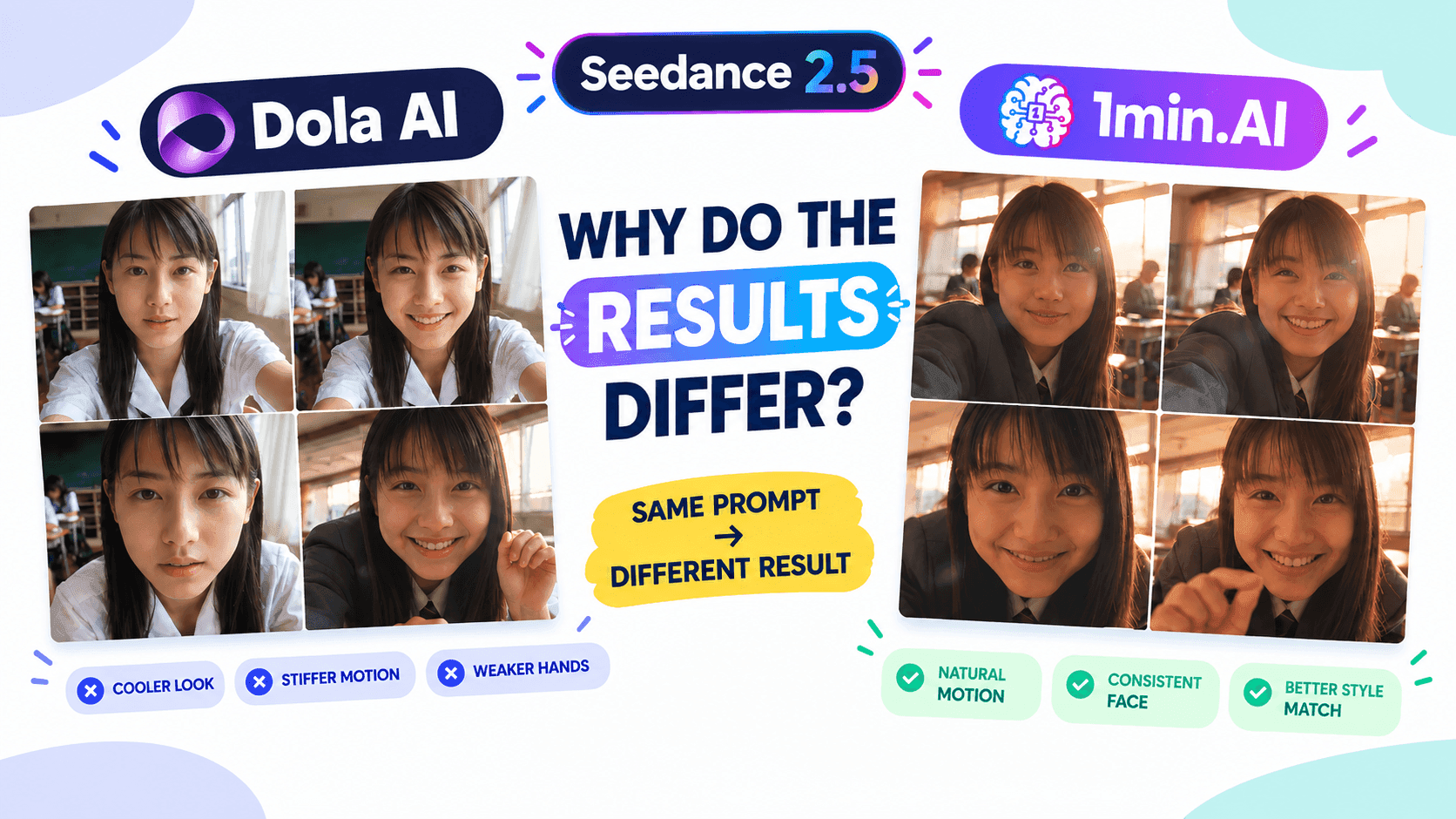
1min. AI vs Dola AI
¿Buscas una alternativa a Dola AI? Compara 1min.AI vs Dola AI en generación de video, planes gratis, precios y privacidad para elegir la app de IA adecuada.
Ngoc HongHerramientas de IA
Descubre las mejores herramientas de IA para aumentar la productividad, la creatividad y el trabajo diario.
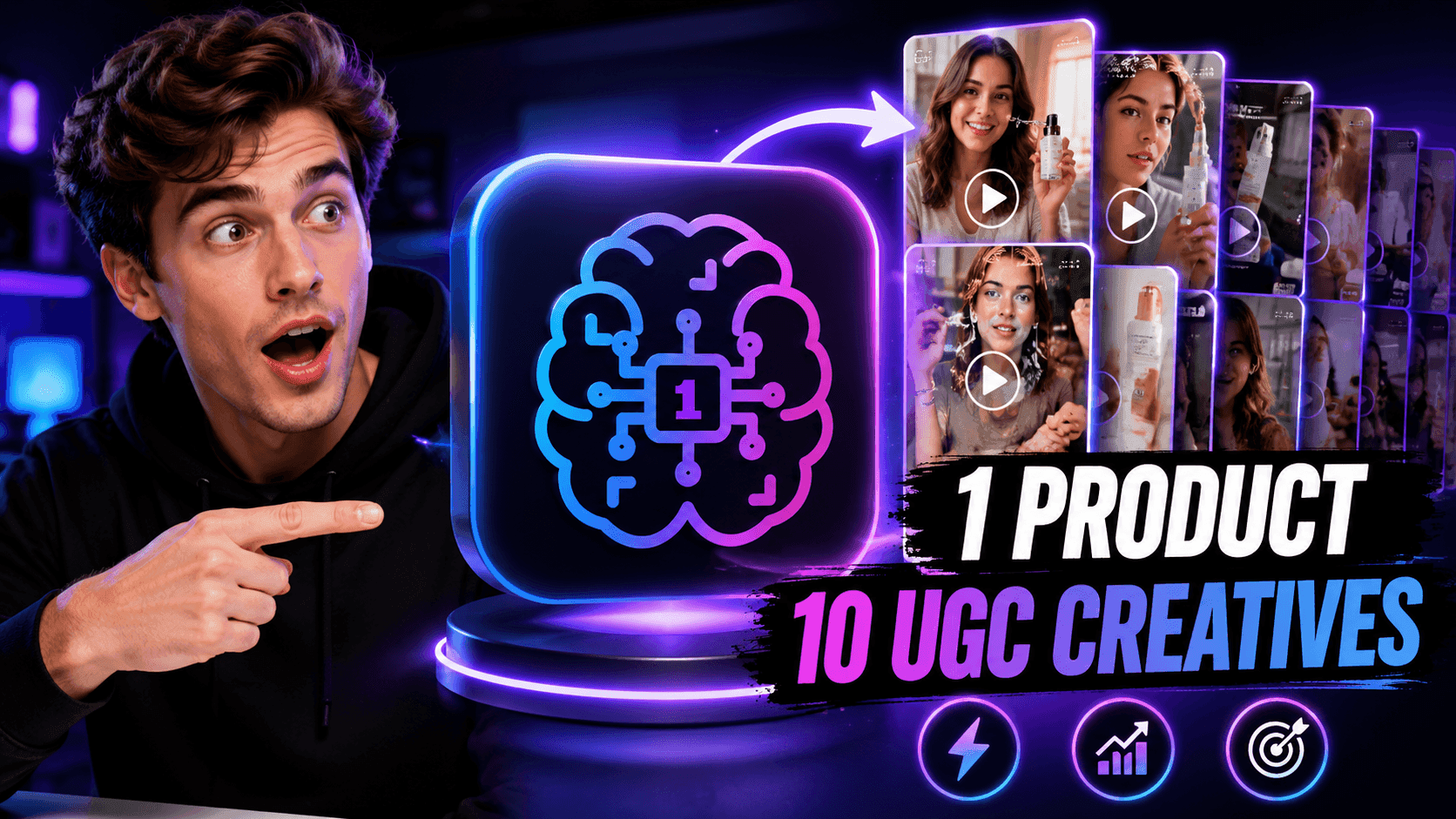
Un producto, 10 creatividades UGC: cómo la IA facilita las pruebas de contenido
Crea UGC más auténtico con un generador de video UGC con IA, prueba más ángulos creativos y escala el contenido de afiliados sin grabar cada versión.
 Lien Anh Vu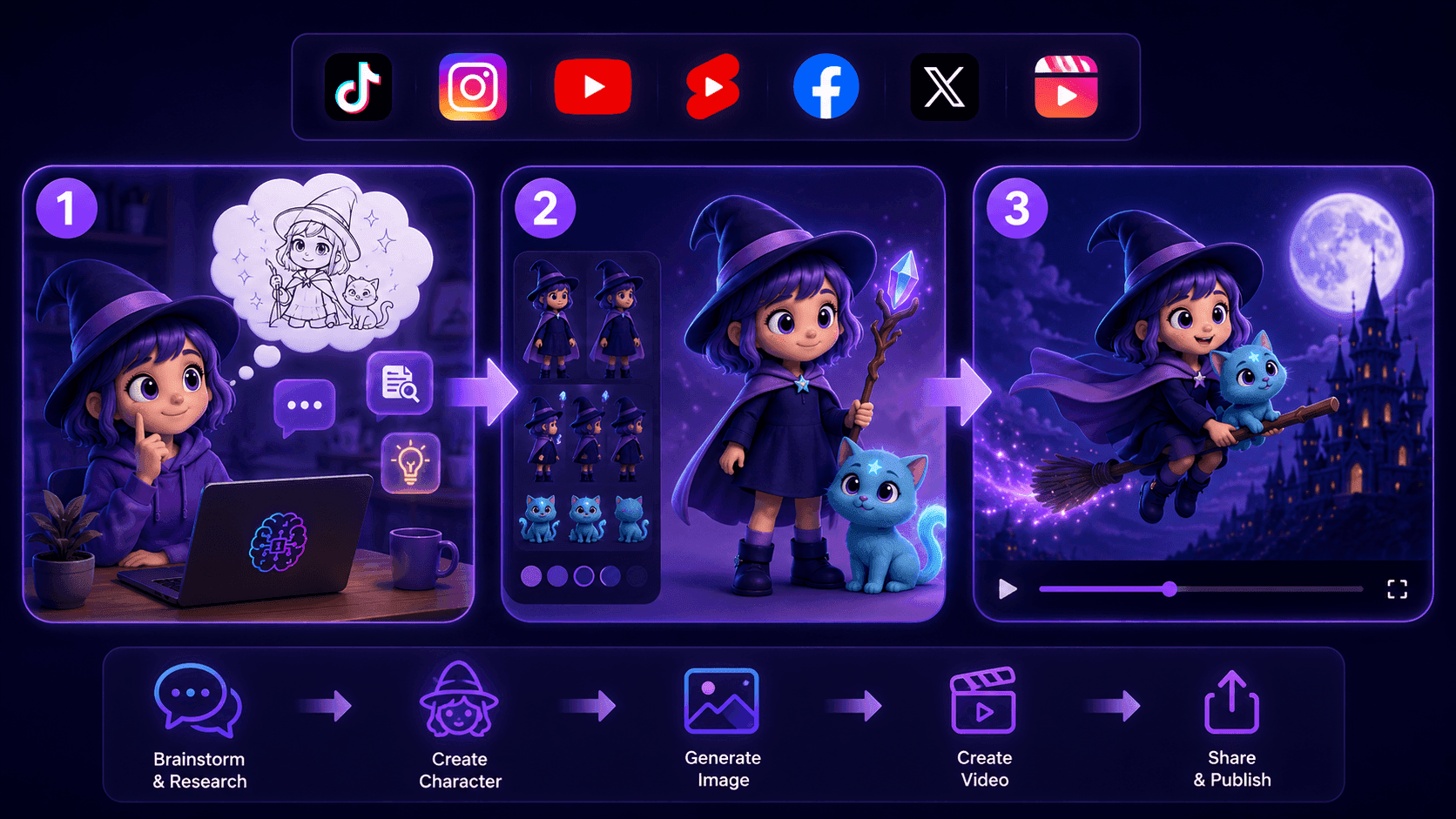
Crea contenido animado consistente en solo unos pocos pasos
Crea videos animados para TikTok y Reels en 3 sencillos pasos con 1min.AI, desde la investigación de ideas hasta los personajes y los videos animados.
Lien Anh Vu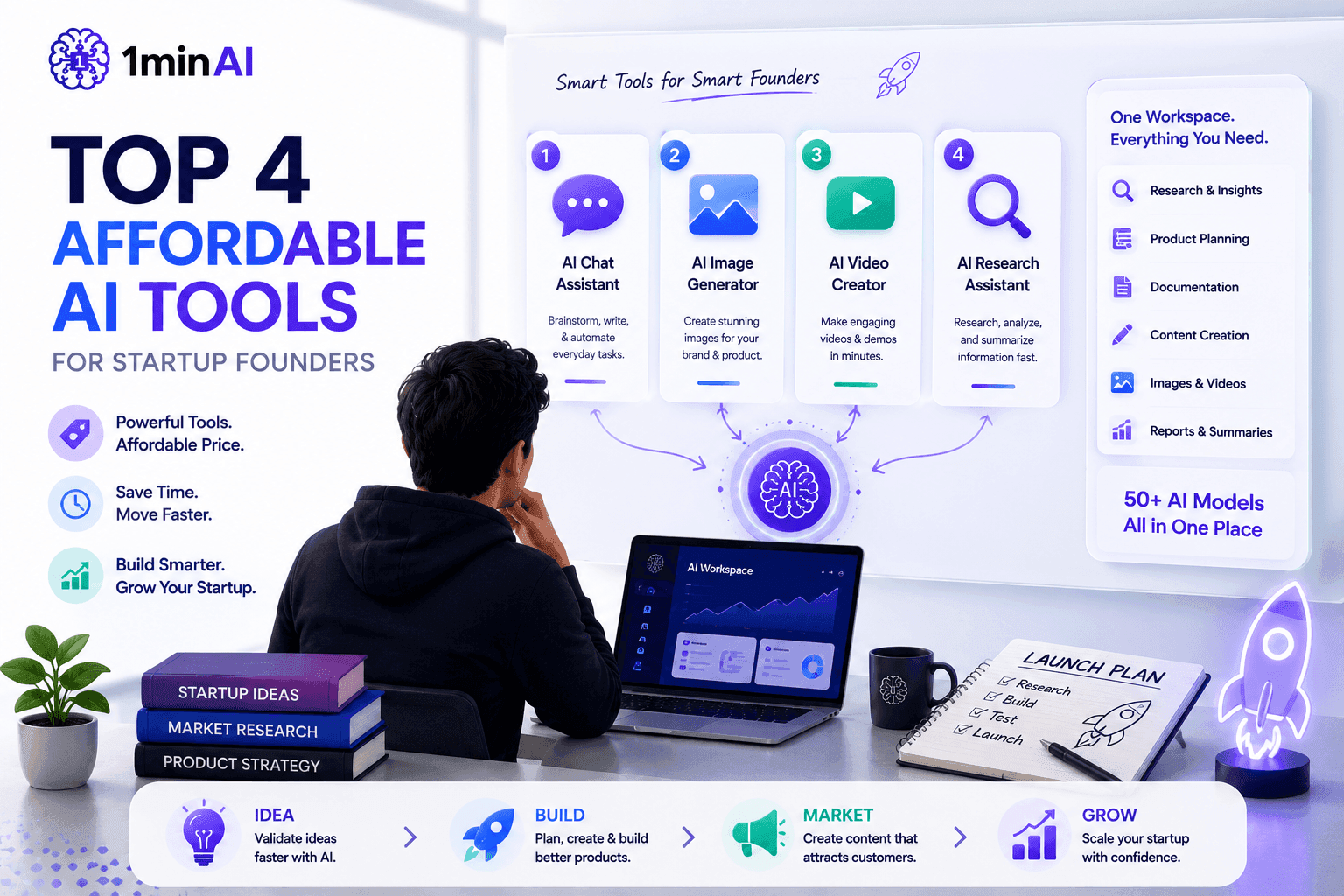
Las 4 herramientas de IA asequibles principales para fundadores de startups
Descubre las 4 herramientas de IA asequibles principales para fundadores de startups para validar ideas, construir productos, crear contenido y lanzar más rápido sin gastar de más.
 Tram Ta
Funciones de IA
Funciones de IA completas que optimizan los flujos de trabajo, mejoran la eficiencia y capacitan a los equipos para lograr más.
Un producto, 10 creatividades UGC: cómo la IA facilita las pruebas de contenido
Crea UGC más auténtico con un generador de video UGC con IA, prueba más ángulos creativos y escala el contenido de afiliados sin grabar cada versión.
Lien Anh VuCrea contenido animado consistente en solo unos pocos pasos
Crea videos animados para TikTok y Reels en 3 sencillos pasos con 1min.AI, desde la investigación de ideas hasta los personajes y los videos animados.
Lien Anh Vu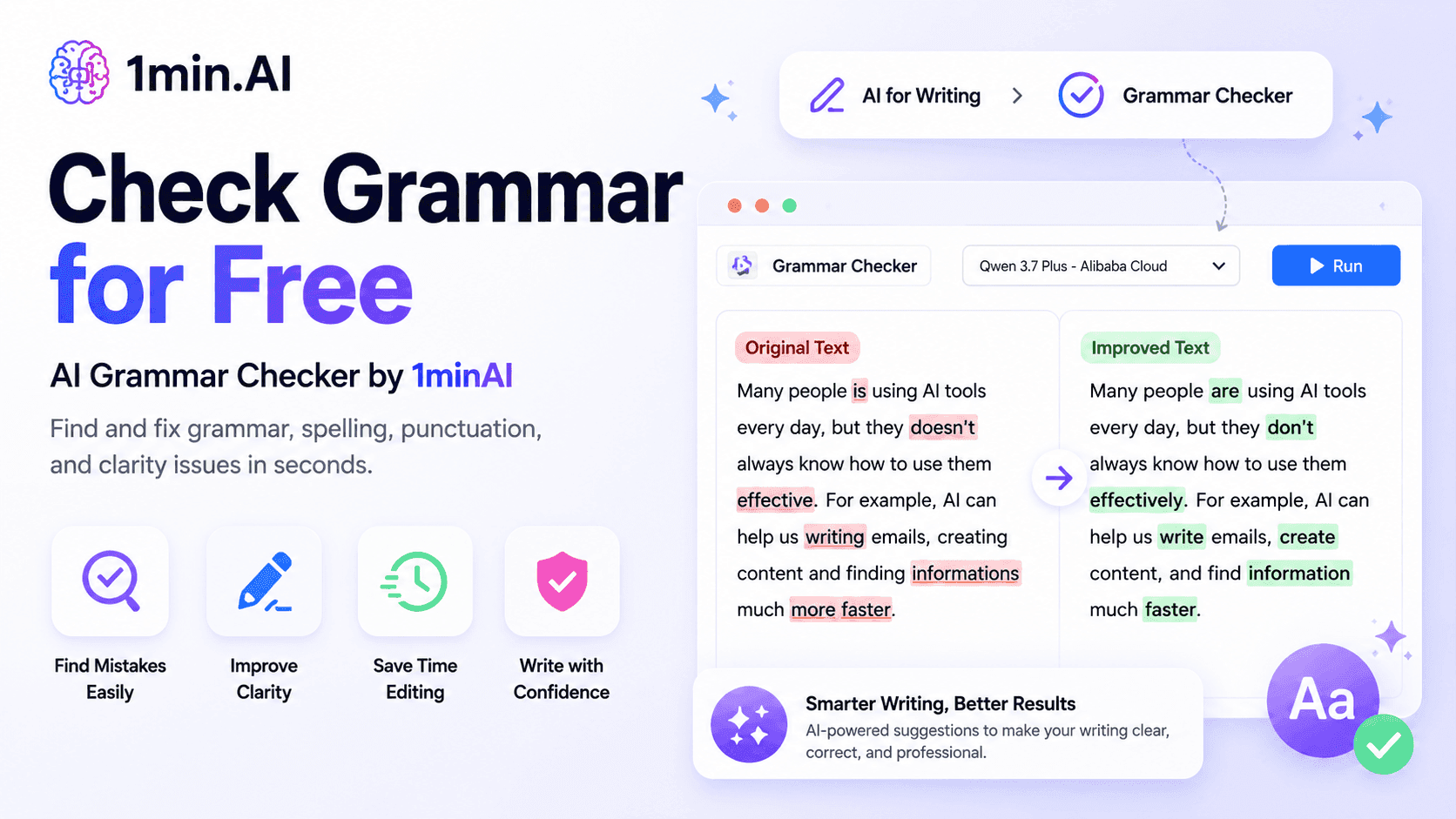
1minAI: Corrector gramatical con IA gratis
Comprueba la gramática gratis con el corrector gramatical con IA de 1minAI. Encuentra errores de gramática, ortografía y redacción, mejora la claridad y pule tu contenido en segundos.
Tram TaCasos de Uso de la IA
Una colección curada de casos de uso de IA para negocios, productividad y aplicaciones específicas de la industria.
Un producto, 10 creatividades UGC: cómo la IA facilita las pruebas de contenido
Crea UGC más auténtico con un generador de video UGC con IA, prueba más ángulos creativos y escala el contenido de afiliados sin grabar cada versión.
Lien Anh VuCrea contenido animado consistente en solo unos pocos pasos
Crea videos animados para TikTok y Reels en 3 sencillos pasos con 1min.AI, desde la investigación de ideas hasta los personajes y los videos animados.
Lien Anh Vu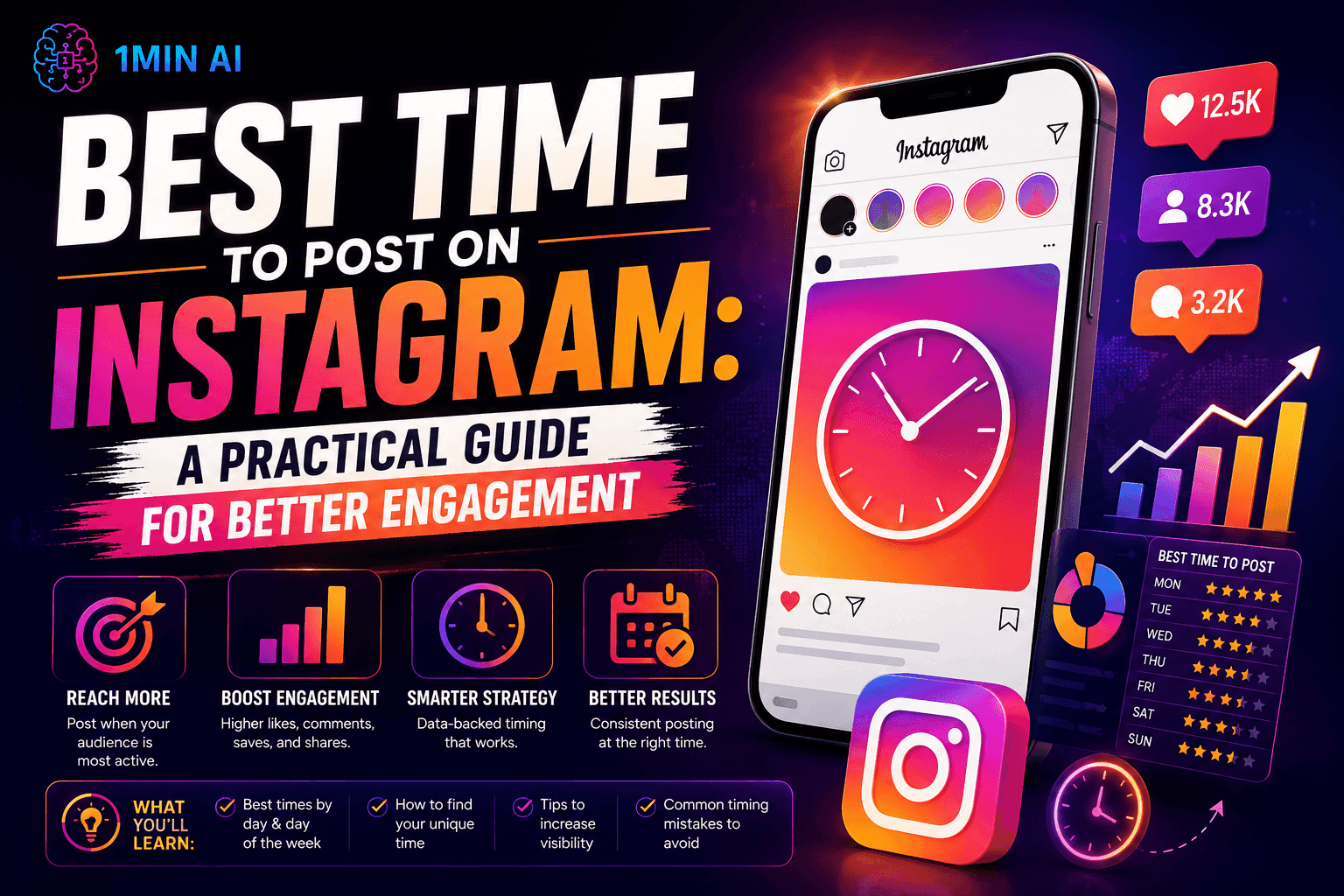
Mejor momento para publicar en Instagram: una guía práctica para mejorar la interacción
Descubre el mejor momento para publicar en Instagram, incluidos los mejores días y horas para distintas audiencias, además de consejos para encontrar el horario ideal para tu cuenta.
Tram TaTutoriales de IA
Aprende a usar la IA con tutoriales prácticos y paso a paso.
Crea contenido animado consistente en solo unos pocos pasos
Crea videos animados para TikTok y Reels en 3 sencillos pasos con 1min.AI, desde la investigación de ideas hasta los personajes y los videos animados.
Lien Anh Vu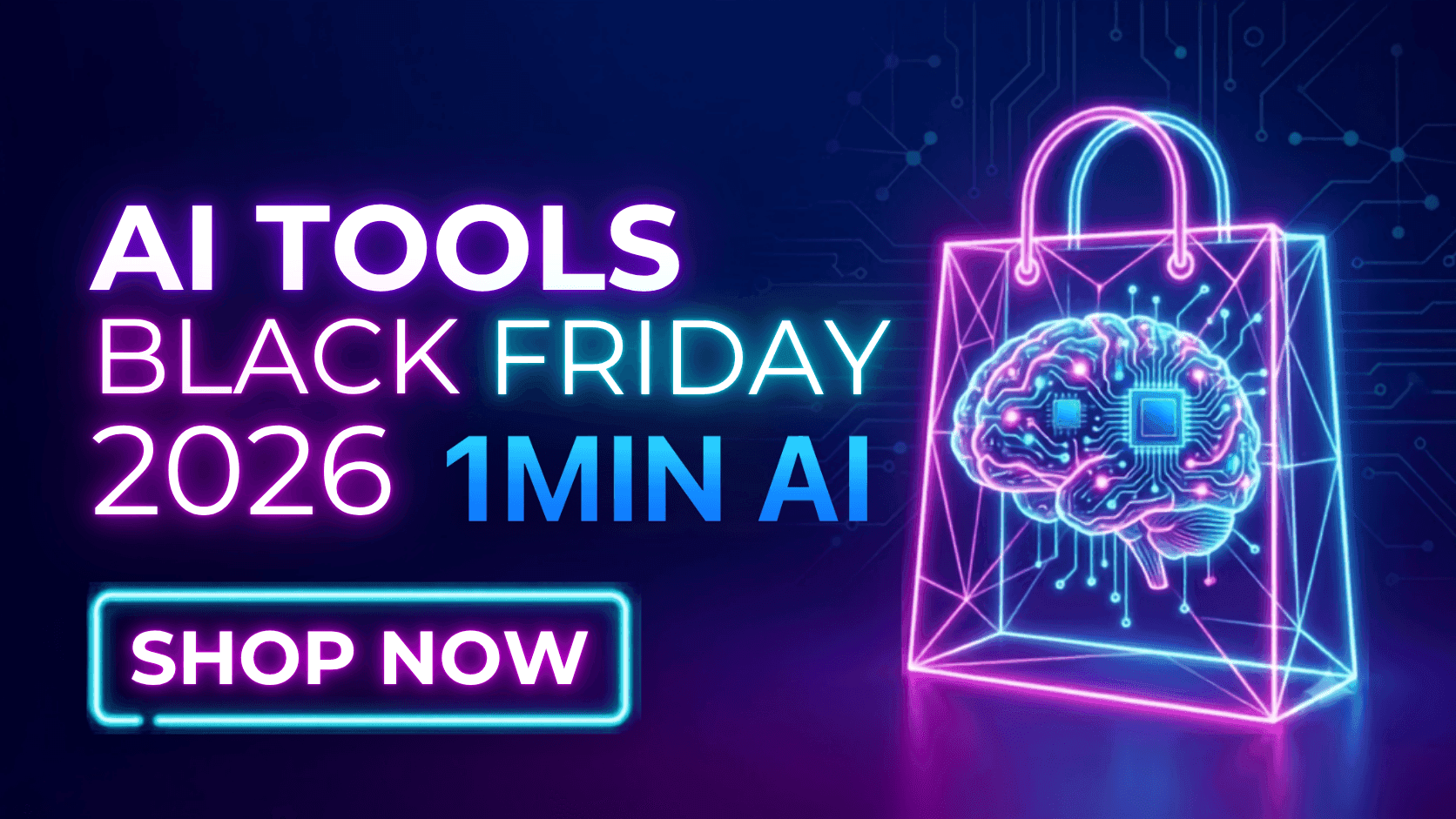
Ofertas de herramientas de IA para Black Friday en 2026
Descubre qué ofrecen las ofertas de herramientas de IA para Black Friday 2026. Averigua cómo conseguir la oferta de por vida de 1min.AI a través de AppSumo, Dealify, Stack Social, y verifica en Trustpilot, Slashdot y Software Advice.
 Hang Nguyen
Consistencia de imagen a video con IA para productos con Seedance para detener la deformación y escalar reseñas de productos
Detén la deformación de logos con consistencia de imagen a video para productos con IA y genera hoy videos de reseñas de calidad de estudio en 1min.AI.
Lien Anh VuGuías de IA
Aprenda IA más rápido con guías prácticas, ejemplos del mundo real y mejores prácticas aplicables.
Crea contenido animado consistente en solo unos pocos pasos
Crea videos animados para TikTok y Reels en 3 sencillos pasos con 1min.AI, desde la investigación de ideas hasta los personajes y los videos animados.
Lien Anh Vu
Compra con seguridad herramientas de IA online: Guía de Black Friday 2026
Descubre cómo encontrar y asegurar las mejores ofertas de Black Friday en IA online. Aprende estrategias de expertos para evitar estafas, combatir la fatiga de suscripciones y verificar software.
Hang NguyenConsistencia de imagen a video con IA para productos con Seedance para detener la deformación y escalar reseñas de productos
Detén la deformación de logos con consistencia de imagen a video para productos con IA y genera hoy videos de reseñas de calidad de estudio en 1min.AI.
Lien Anh VuSoluciones de IA
Explore las mejores soluciones de IA para automatización, codificación, investigación, productividad, atención al cliente, marketing y flujos de trabajo empresariales.
Un producto, 10 creatividades UGC: cómo la IA facilita las pruebas de contenido
Crea UGC más auténtico con un generador de video UGC con IA, prueba más ángulos creativos y escala el contenido de afiliados sin grabar cada versión.
Lien Anh VuCrea contenido animado consistente en solo unos pocos pasos
Crea videos animados para TikTok y Reels en 3 sencillos pasos con 1min.AI, desde la investigación de ideas hasta los personajes y los videos animados.
Lien Anh Vu
Generador Gratis de Tatuajes con IA: Diseños Personalizados
Convierte cualquier idea en un diseño de tatuaje personalizado con el generador gratis de tatuajes con IA de 1min.AI. Describe tu idea, elige un estilo y descárgalo en segundos.
 Trang Tran
Modelos de IA
Explore los modelos de IA líderes en el mundo en un solo lugar.
Un producto, 10 creatividades UGC: cómo la IA facilita las pruebas de contenido
Crea UGC más auténtico con un generador de video UGC con IA, prueba más ángulos creativos y escala el contenido de afiliados sin grabar cada versión.
Lien Anh VuCrea contenido animado consistente en solo unos pocos pasos
Crea videos animados para TikTok y Reels en 3 sencillos pasos con 1min.AI, desde la investigación de ideas hasta los personajes y los videos animados.
Lien Anh VuConsistencia de imagen a video con IA para productos con Seedance para detener la deformación y escalar reseñas de productos
Detén la deformación de logos con consistencia de imagen a video para productos con IA y genera hoy videos de reseñas de calidad de estudio en 1min.AI.
Lien Anh VuComparativas de IA
Compare herramientas, modelos y plataformas de IA para encontrar la que mejor se adapte a sus necesidades.
Kling AI vs Veo 3: ¿qué modelo gana?
Kling AI vs Veo 3: compara movimiento, audio nativo, precios y planes gratis para ver qué generador de video con IA gana para tu proyecto - prueba ambos en 1min.AI.
Trang TranConsistencia de imagen a video con IA para productos con Seedance para detener la deformación y escalar reseñas de productos
Detén la deformación de logos con consistencia de imagen a video para productos con IA y genera hoy videos de reseñas de calidad de estudio en 1min.AI.
Lien Anh Vu
Comparación DeepSeek V4 Pro vs. Flash
Compare las métricas de DeepSeek V4 Pro vs. DeepSeek V4 Flash. Optimice sus aplicaciones de agentes y mejore la verificación de hechos de IA en 1min.ai hoy mismo.
Integraciones de IA
Integre la IA sin problemas con las herramientas que ya utiliza para automatizar el trabajo y aumentar la productividad.
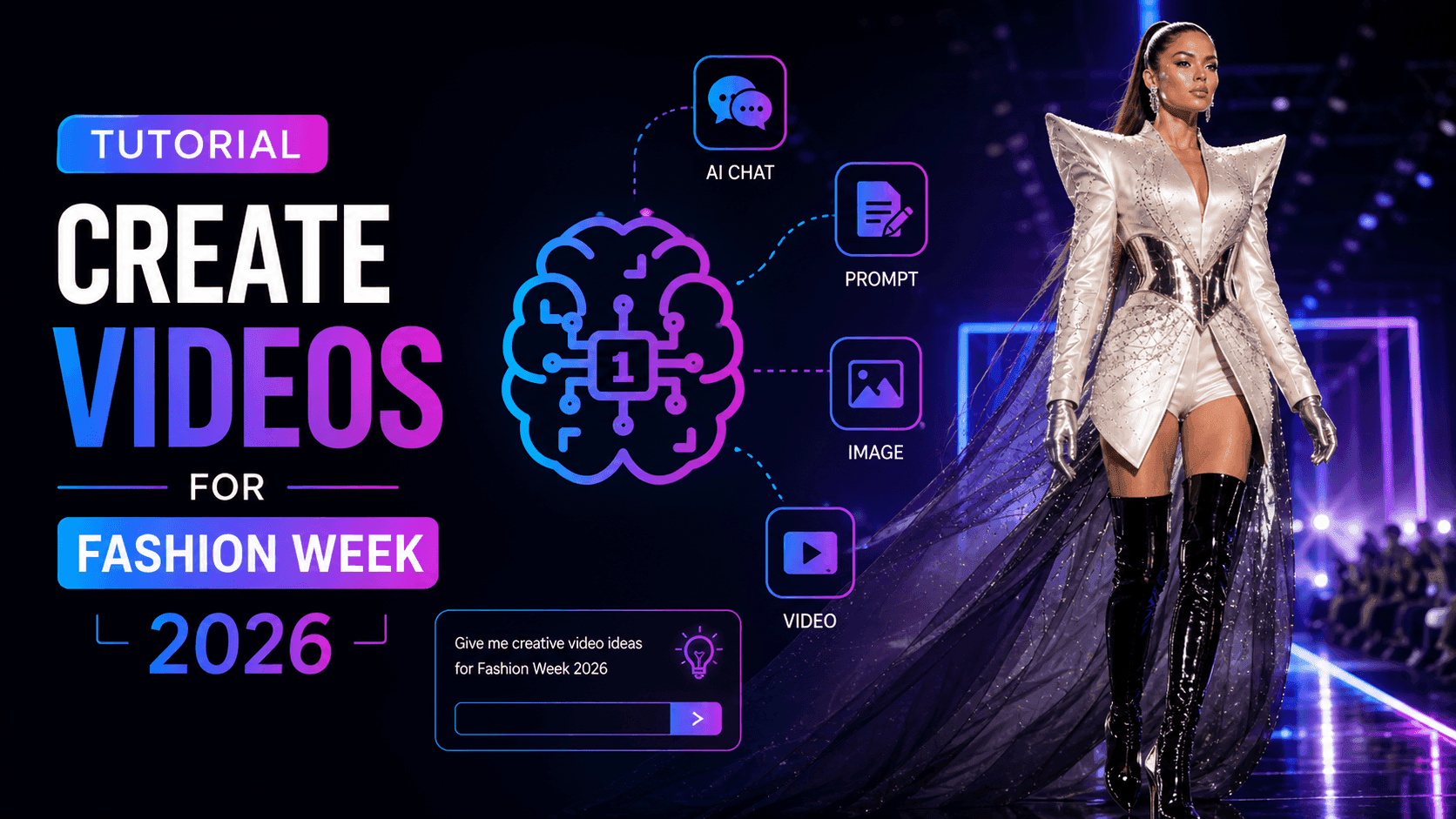
Cómo usar un generador de videos de moda con IA para la Fashion Week 2026
Convierte ideas de la Fashion Week 2026 en videos de moda impactantes con IA. Aprende a idear, crear visuales y transformar imágenes en videos con un flujo de trabajo sencillo.
Lien Anh Vu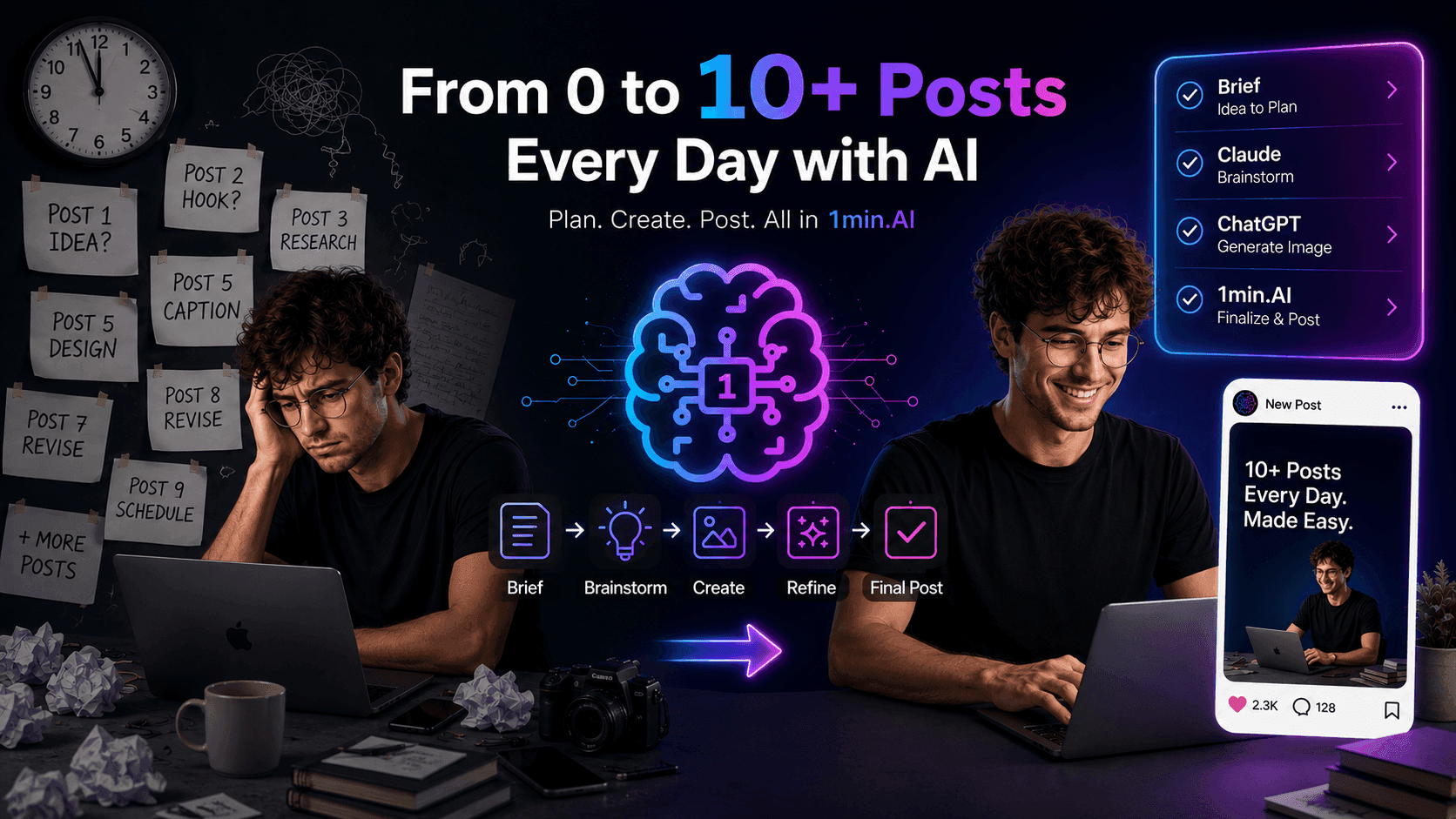
POV: Tienes más de 10 publicaciones que hacer cada día
Aprende a crear un flujo de trabajo de contenido con IA que ayuda a los creadores a producir más de 10 publicaciones al día más rápido con lluvia de ideas, generación de imágenes y creación de contenido con IA.
Lien Anh Vu
Deja de cambiar entre aplicaciones de IA: Cómo la integración de IA transforma el Employer Branding
Descubre cómo la integración de IA ayuda a los equipos de RRHH a optimizar el employer branding al combinar escritura con IA, documentos, imágenes, vídeo y múltiples modelos de IA en un solo espacio de trabajo.
Tram TaIA para Industrias
Encuentre las mejores herramientas y flujos de trabajo de IA para atención médica, finanzas, educación, legal, manufactura, comercio minorista, bienes raíces y más.
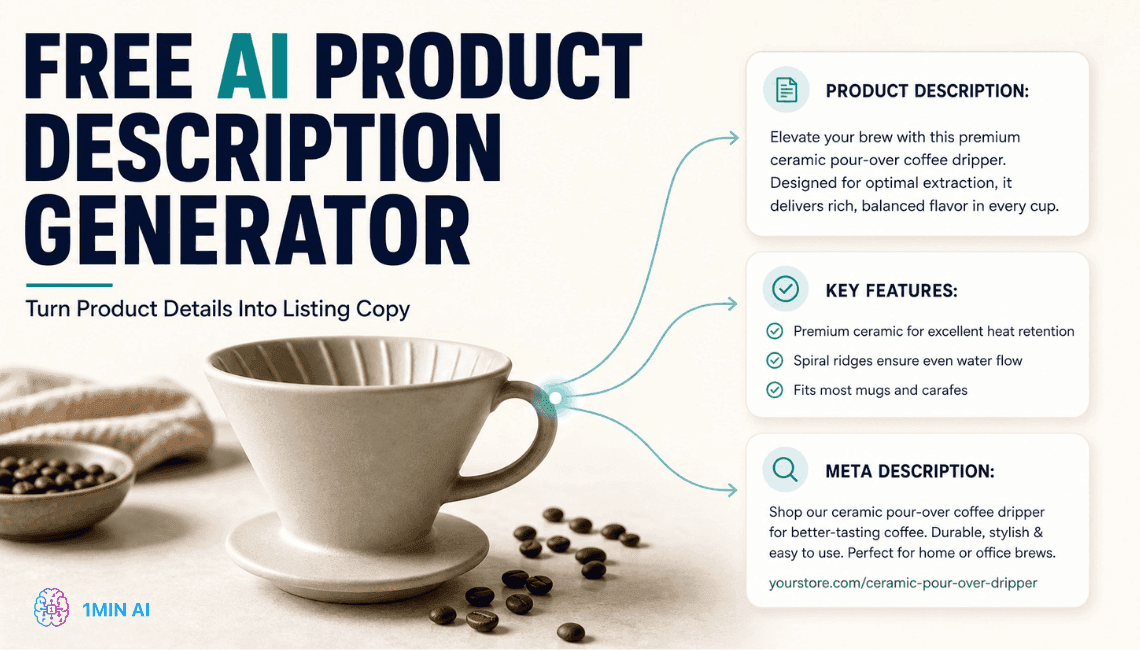
Generador gratuito de descripciones de productos con IA
Escribe descripciones de producto que vendan en minutos. Usa este generador gratuito de descripciones de productos con IA para convertir detalles o una foto en texto alineado con tu marca. Prueba 1min.AI.
Trang Tran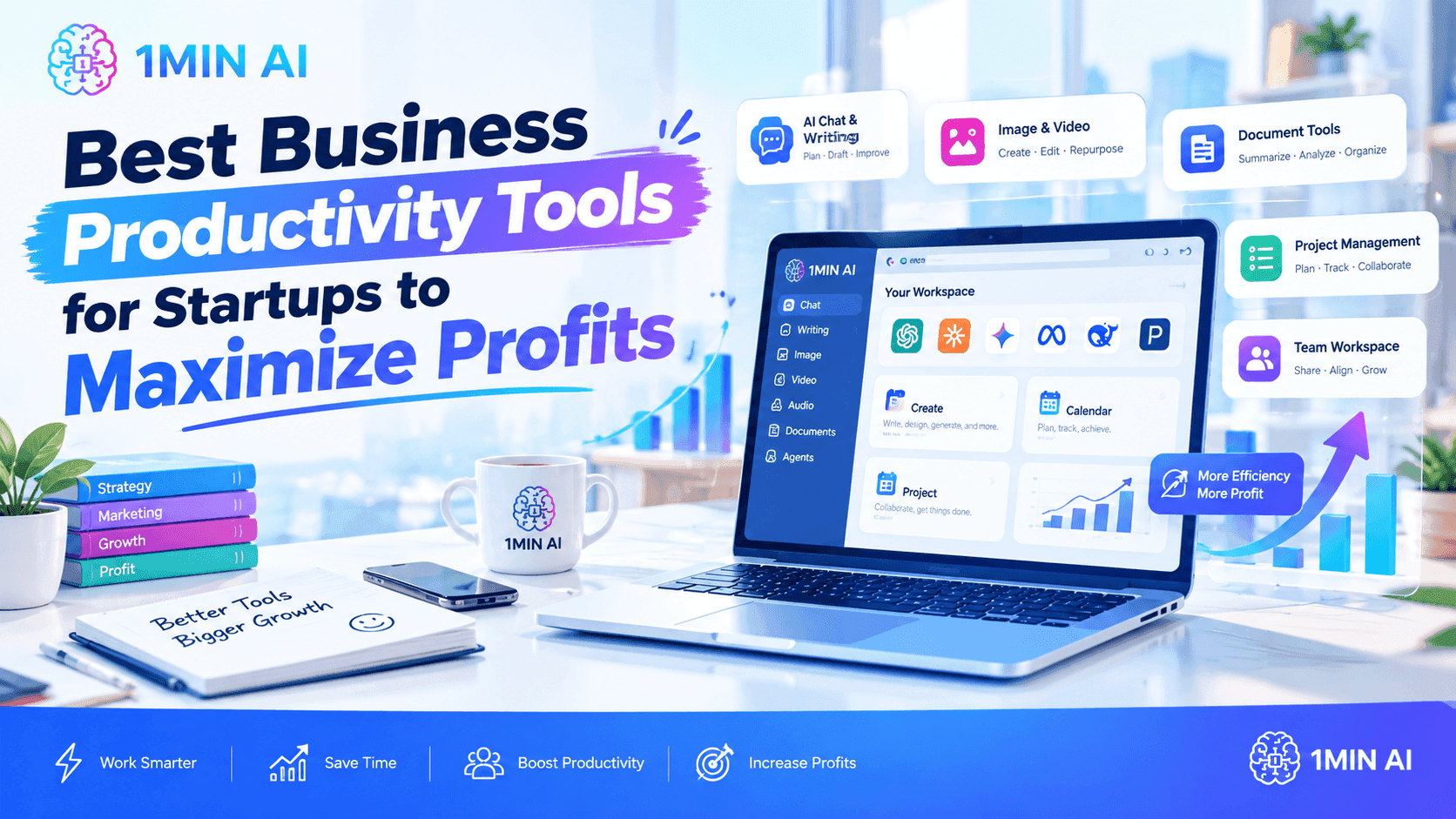
Las mejores herramientas de productividad empresarial para startups para maximizar beneficios | 1minAI
Descubre las mejores herramientas de productividad empresarial para startups para ahorrar tiempo, agilizar flujos de trabajo, reducir tareas repetitivas y apoyar un crecimiento rentable con IA.
Tram Ta
La mejor herramienta de IA para marketing de contenidos |1minAI
¿Buscas la mejor herramienta de IA para marketing de contenidos? Descubre cómo 1minAI ayuda a los profesionales del marketing a investigar, escribir, reutilizar, crear visuales y escalar contenido desde un solo espacio de trabajo con IA.
Tram TaAgentes de IA
Descubre y ejecuta agentes de IA para automatizar tareas en tu trabajo y vida diaria.
1minAI: Corrector gramatical con IA gratis
Comprueba la gramática gratis con el corrector gramatical con IA de 1minAI. Encuentra errores de gramática, ortografía y redacción, mejora la claridad y pule tu contenido en segundos.
Tram Ta
Agentes de IA para Facebook
Usa un Agente de IA para Facebook para crear contenido, generar imágenes, programar publicaciones y publicar desde tus documentos y conversaciones.
Ngoc Hong
AI Agent vs AI Assistant: ¿Cuál realmente ahorra más tiempo a los diseñadores?
Aprende la diferencia entre AI Agent y AI Assistant y descubre qué solución ayuda a los diseñadores a automatizar el trabajo repetitivo, reducir revisiones y ahorrar más tiempo.
Lien Anh VuFlujos de trabajo de IA
Explore flujos de trabajo de IA listos para usar para productividad, marketing, ventas, soporte y más.
Un producto, 10 creatividades UGC: cómo la IA facilita las pruebas de contenido
Crea UGC más auténtico con un generador de video UGC con IA, prueba más ángulos creativos y escala el contenido de afiliados sin grabar cada versión.
Lien Anh VuCrea contenido animado consistente en solo unos pocos pasos
Crea videos animados para TikTok y Reels en 3 sencillos pasos con 1min.AI, desde la investigación de ideas hasta los personajes y los videos animados.
Lien Anh VuCómo usar un generador de videos de moda con IA para la Fashion Week 2026
Convierte ideas de la Fashion Week 2026 en videos de moda impactantes con IA. Aprende a idear, crear visuales y transformar imágenes en videos con un flujo de trabajo sencillo.
Lien Anh VuBoletín informativo
Innovaciones semanales de IA con 1minAI
🔮 Innovaciones semanales de IA #141: Seedance 2.5 y Stable Audio 3: IA de próxima generación
Explora Seedance 2.0, 2.5 y Stable Audio 3 de StabilityAI en 1min.ai. Genera audio de calidad de estudio y movimiento sincronizado con IA generativa de próxima generación.
Hang Nguyen
🔮 Innovaciones semanales de IA #121: Ideogram 3.0 y Claude Opus 4.7 ya están disponibles en 1min.ai
Ideogram 3.0 y Claude Opus 4.7 ya están disponibles en 1min.ai. Genera tipografía de imagen impecable y copy avanzado en una sola plataforma.
Hang Nguyen
🔮 Innovaciones semanales de IA #134: prueba gratis Qwen en AI Chat; actualización de las series 3.7 y 3.6
¿Buscas un asistente de IA potente y gratis? Explora las últimas series Qwen 3.7 y 3.6 en 1min.ai. ¡Disfruta hoy mismo de un chat de IA rápido y preciso sin costo!
Hang Nguyen